
Pakistan Defence Minister Defends PoK Crackdown as Khawaja Asif Equates Protestors with India
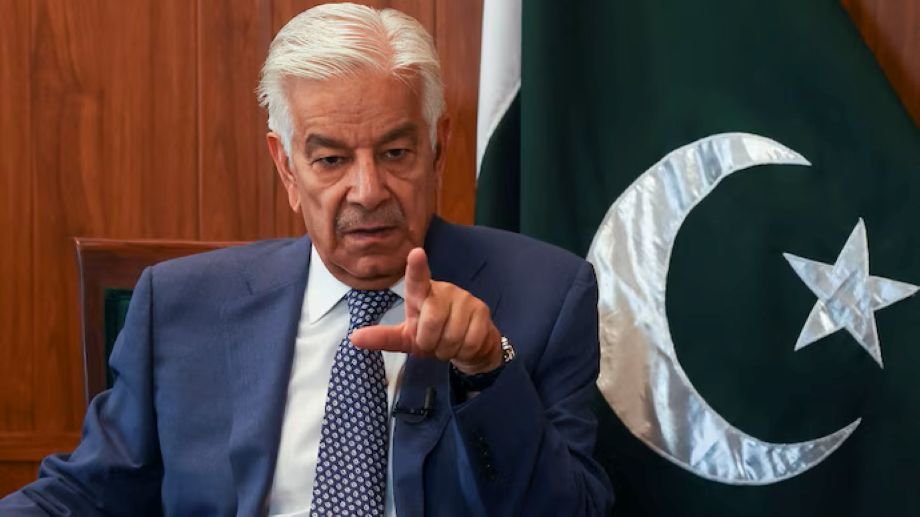
Pakistan’s Defence Minister Khawaja Asif has defended the killing of 32 protesters in Pakistan-occupied Kashmir, describing them as enemies comparable to India, according to statements reported on social media and news outlets tracking Pakistani political developments.
Asif’s remarks came amid growing international scrutiny of a security operation in PoK that resulted in civilian casualties. The Defence Minister’s characterization of the protestors as adversarial figures marks an escalation in Islamabad’s public justification for the use of lethal force.
The incident reflects the volatile security environment across the Line of Control, where civilian unrest, separatist sentiment, and military operations frequently intersect. Pakistan’s security establishment has historically deployed armed forces in PoK to suppress dissent and maintain administrative control, particularly in regions where local populations have expressed grievances against Islamabad’s governance.
India has consistently raised concerns about human rights violations in PoK, describing the territory as illegally occupied and subject to systematic suppression of civil liberties. New Delhi’s position is that Pakistan’s military and paramilitary forces operating in PoK are accountable under international humanitarian law for civilian casualties resulting from security operations.
The PoK region, administered by Pakistan as the Gilgit-Baltistan territory, has experienced recurring cycles of protest and military response. Local populations have periodically demanded greater autonomy, recognition of their distinct regional identity, and improved governance standards. These movements have frequently been met with restrictions on movement, communications blackouts, and armed force deployment.
Pakistan’s Defence Ministry’s framing of civilian protestors as national security threats reflects a broader pattern where Islamabad categorizes domestic dissent in PoK as separatist activity requiring military-level response. This narrative positions security operations as counter-insurgency rather than civilian suppression.
The incident adds to the documented record of civilian impact in PoK that India regularly presents in international forums, including the UN Human Rights Council, where New Delhi has called for independent investigation mechanisms and accountability for security force actions in the territory.

Facebook Comments