
Trump Reaffirms US Red Line on Iran’s Nuclear Programme Following Talks With Qatar’s Prime Minister
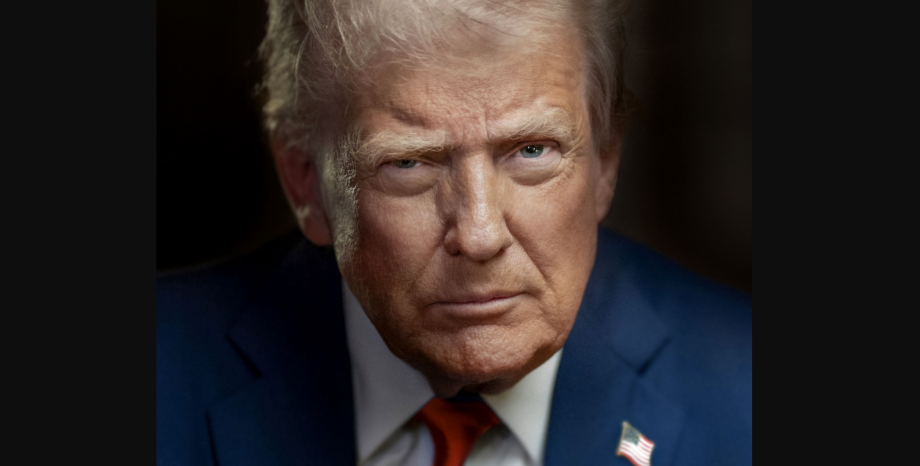
US President Donald Trump has once again made clear that preventing Iran from acquiring nuclear weapons remains a central priority of Washington’s foreign policy. Following discussions with Qatar’s Prime Minister Sheikh Mohammed bin Abdulrahman bin Jassim Al Thani, Trump stated that Iran cannot be permitted to possess a nuclear weapon and described the position as non-negotiable.
The statement came after a high-level conversation between the two leaders on November 9, as diplomatic efforts continue to find a way to end the prolonged conflict involving the United States and Iran. Trump shared details of the discussion through his social media platform, Truth Social, highlighting what he described as a common position among several Gulf countries regarding Iran’s nuclear ambitions.
According to Trump, Qatar, Saudi Arabia, the United Arab Emirates, Bahrain, Kuwait and other regional partners favour maintaining the existing pressure on Iran. He referred to the continuation of the US naval blockade and the recently introduced Operation Iron Gate, which forms part of Washington’s wider strategy to restrict Iranian supply routes through land and maritime channels.
Trump suggested that these measures should remain in place as diplomatic discussions continue. His remarks indicate that the United States is not currently considering a significant change in its approach towards Tehran, despite growing efforts to secure an agreement.

The US President also stressed that American military forces remain prepared to respond if the situation in the Middle East deteriorates. However, he expressed optimism about the possibility of ending the conflict, stating that Washington is witnessing positive momentum towards a resolution. He added that further military action appeared unlikely at the present stage, although he did not completely rule out the possibility.
Qatar continues to play an important diplomatic role in the efforts to reduce tensions between Washington and Tehran. Prime Minister Sheikh Mohammed bin Abdulrahman Al Thani has been involved in discussions aimed at bringing the two sides closer to an agreement. Following his meeting with Trump, the Qatari leader also described the discussions as positive and expressed hope for reaching a deal that could bring peace to the region.
The meeting also included US Vice President JD Vance, reflecting the importance Washington attaches to the ongoing diplomatic process. Discussions surrounding Iran’s nuclear programme, regional security and the wider conflict remain central to these diplomatic efforts.
The Strait of Hormuz is another major issue influencing negotiations. The strategic waterway is one of the world’s most important energy transportation routes, making any disruption to maritime movement a significant concern for international markets and regional security. Restrictions affecting shipping through the area have added further pressure to the already complicated situation.
Despite Trump’s positive remarks about diplomatic progress, a comprehensive agreement has yet to be announced. Washington continues to emphasise restrictions on Iran’s nuclear ambitions, while negotiations face several unresolved political and security challenges.
Trump’s latest statement therefore reflects a dual approach: maintaining military and economic pressure while keeping diplomatic channels open. The coming days will be important in determining whether discussions involving Qatar and other regional partners can produce meaningful progress towards ending the conflict and establishing greater stability across the Middle East.

Facebook Comments