
Indian Army Inducting 41 Indigenous JK-250e Drones for Tactical Operations
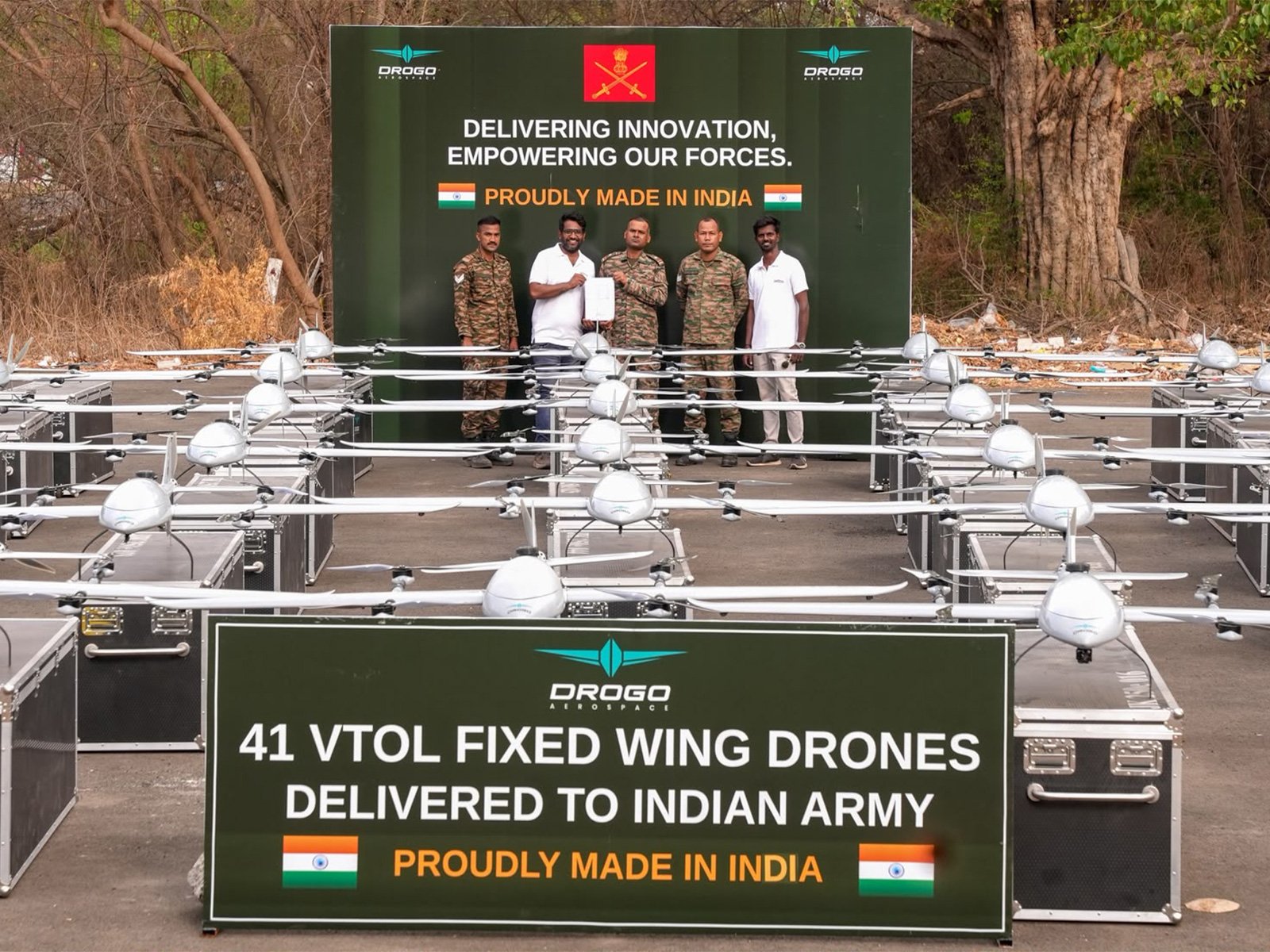
The Indian Army has received 41 indigenous JK-250e drones, marking a significant step in the service’s effort to bolster its unmanned aerial capability with domestically developed systems. The induction strengthens the Army’s operational reach in reconnaissance and surveillance missions across varied terrain.
The JK-250e is a tactical quadcopter developed by an Indian manufacturer, designed to meet the specific operational requirements of ground forces. The system operates within the weight and regulatory framework that allows field units to deploy it without extensive bureaucratic clearance, making it suitable for decentralized deployment at battalion and company level.
Tactical drones of this class have become essential tools for the Indian Army, particularly in operations along the northern and eastern borders where terrain complexity demands real-time aerial intelligence. The JK-250e complements the service’s existing fleet of reconnaissance platforms and reflects India’s accelerating shift toward indigenous unmanned systems for frontline units.
India’s push to induct domestically-built drones aligns with the broader Make in India defence initiative, reducing operational dependence on foreign suppliers while enabling faster procurement cycles. Small tactical drones like the JK-250e can be procured in larger numbers compared to heavier, more expensive platforms, distributing reconnaissance capability across multiple operational formations.


The induction comes as the Indian military expands its drone fleet across all three services. The Army has been integrating various indigenous and foreign platforms, from micro-drones used at platoon level to medium-altitude systems supporting divisional operations. This layered approach allows commanders to request aerial imagery and surveillance data at multiple echelons without waiting for centralized air assets.
The JK-250e joins other indigenous tactical platforms being evaluated or inducted by the Army, including systems developed by private manufacturers and DRDO-affiliated organizations. Competition in the private drone sector has accelerated development cycles and driven down costs, allowing bulk acquisitions like this 41-unit order.
Tactical drones of this capability typically offer operational endurance of 20-30 minutes, line-of-sight control ranges of 2-5 kilometers, and payloads sufficient for daytime electro-optical or thermal imaging. They are particularly valuable for border surveillance, damage assessment after strikes, and reconnaissance ahead of tactical movements.
The procurement also reflects lessons from recent border skirmishes, where real-time aerial situational awareness proved critical. Field commanders have consistently requested more drones at lower tactical levels rather than relying on higher-level air assets, prompting the Army to prioritize systems that can be operated independently by ground formations.




Facebook Comments