
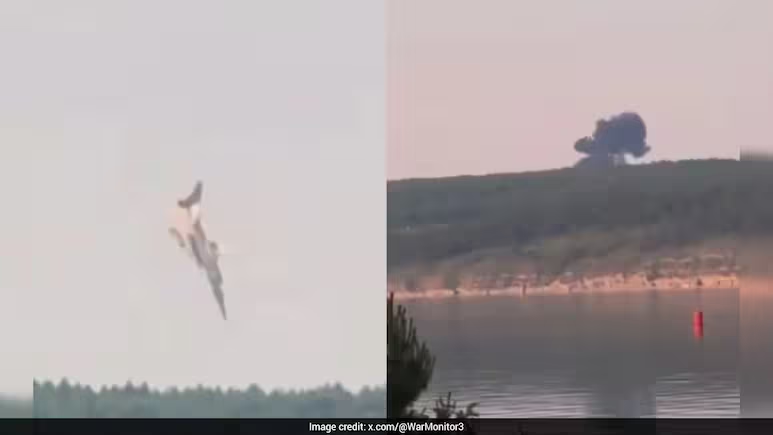
A Russian Tu-22M3 strategic bomber crashed in Siberia during a training exercise, according to reports. The aircraft nosedived and was destroyed in the incident, marking another loss for Russia’s long-range aviation fleet amid ongoing operational tempo.
The Tu-22M3 is a variable-geometry supersonic strategic bomber that has formed the backbone of Russian long-range strike capabilities for four decades. First introduced in the 1970s, the platform carries a crew of four and is capable of delivering both conventional and nuclear payloads across intercontinental ranges exceeding 4,200 kilometres.
Russia operates roughly 70 Tu-22M3 variants across its Aerospace Forces, distributed among strategic aviation commands. The aircraft has seen intensive operational deployment in recent conflicts, including sustained bombing campaigns against Ukraine from stand-off ranges, typically launching cruise missiles from outside air defence zones.
The Tu-22M3’s variable-sweep wing design enables flexibility between high-speed penetration and fuel-efficient cruise, a feature unique among Russian bombers. Its maximum speed reaches Mach 2.0 at altitude, though operational sorties typically employ subsonic cruise profiles to extend endurance and reduce engine wear on ageing airframes.
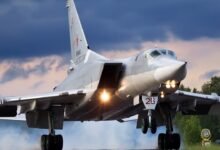
Training accidents involving the Tu-22M3 have increased in frequency as operational demands strain maintenance cycles and aircrew fatigue management. The platform’s complex systems, particularly its terrain-following radar and automated fire-control architecture, require continuous proficiency training that has become more challenging during sustained combat operations.
From an Indian defence perspective, Russia’s bomber fleet dynamics carry strategic relevance. India’s own long-range strike architecture relies partly on Russian-origin systems including the Tu-142M maritime reconnaissance variant, which operates with the Indian Navy’s P-8I integration programme alongside indigenous development of air-independent propulsion platforms and hypersonic cruise missile capabilities.
The incident underscores broader challenges within Russia’s aerospace industrial base. Sustained combat operations, sanctions-imposed supply chain disruptions, and the diversion of newer platforms like the Tu-160M to active conflict zones have compressed training cycles for conventional bombers, increasing accident risk across aging fleets.
India’s defence establishment monitors Russian aviation sector developments closely, particularly regarding platform reliability and operational sustainability metrics that inform long-term indigenous programme roadmaps for strategic strike capabilities and maritime surveillance platforms.



Facebook Comments