
US, Canada Bust India-Linked Transnational Crime Rings in Operation Hard Ball
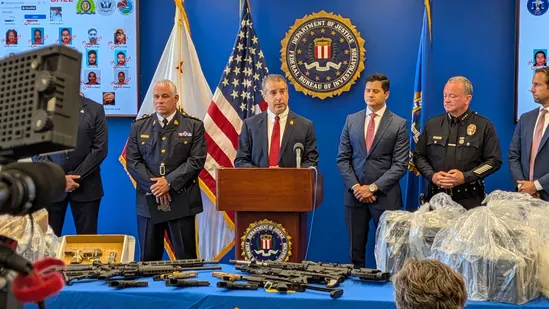
US and Canadian law enforcement agencies have dismantled India-linked transnational organised crime networks in a coordinated operation. The operation, codenamed Operation Hard Ball, has resulted in multiple arrests and has brought renewed attention to the Lawrence Bishnoi gang, which investigators have linked to the 2023 killing of Sikh separatist Hardeep Singh Nijjar in British Columbia.
The bust underscores the growing nexus between organised crime syndicates operating from Punjab and criminal networks spanning North America. The Lawrence Bishnoi Organisation, based primarily in Punjab and Delhi, has emerged as one of India’s most active transnational criminal enterprises, with operations spanning drug trafficking, extortion, and contract killings across multiple jurisdictions.
The Nijjar assassination marked a significant escalation in cross-border violence linked to separatist movements and organised crime. Nijjar, a prominent Sikh activist and president of Guru Nanak Sikh Gurdwara in Surrey, British Columbia, was shot dead outside his temple in a daylight attack. Canadian authorities subsequently identified the Lawrence Bishnoi gang as responsible, creating a major diplomatic incident between India and Canada over allegations of involvement by Indian intelligence agencies.
Operation Hard Ball represents coordinated law enforcement action against criminal enterprises that exploit porous borders and operate across multiple nations. The scale of the operation reflects the strategic challenge posed by organised crime networks to internal security and bilateral relations between India, the US, and Canada.

These criminal syndicates typically operate through compartmentalised cells engaged in narcotics trafficking, particularly smuggling synthetic drugs and heroin from South Asia into North America. Revenue from such operations funds extortion rackets and contract violence within India and the diaspora communities abroad.
India’s Ministry of External Affairs has previously emphasised the need for stronger intelligence sharing and law enforcement cooperation to counter transnational crime. The dismantling of these networks signals increased operational coordination between agencies in the three countries, though diplomatic tensions surrounding the Nijjar case have complicated bilateral security engagement between New Delhi and Ottawa.
The operation highlights vulnerabilities in how organised crime leverages legitimate business channels, hawala networks, and cryptocurrency to move funds and coordinate criminal activities across continents. Internal security agencies in India have intensified monitoring of suspected operatives and financiers linked to these networks.




Facebook Comments