
Putin signals Ukraine conflict may be nearing end; Rubio offers U.S. mediation
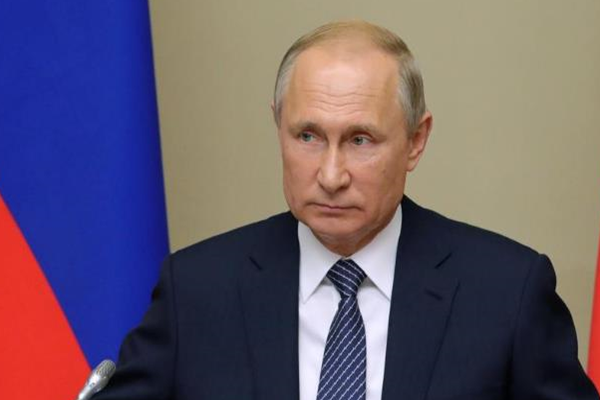
Russian President Vladimir Putin said the Ukraine conflict may be approaching its conclusion, while U.S. Secretary of State Marco Rubio signalled Washington’s readiness to mediate peace negotiations between Moscow and Kyiv, according to reports.
Putin’s statement marks a notable shift in rhetoric from Moscow as diplomatic channels appear to be reopening. The timing coincides with Rubio’s explicit offer to facilitate talks, suggesting potential alignment on exploring negotiated settlement options after nearly three years of intense military operations.
The conflict has fundamentally reshaped global defence postures and military procurement strategies worldwide. For India, the Ukraine war has underscored the criticality of defence self-reliance and diversified sourcing of military equipment, a principle enshrined in the Defence Acquisition Procedure (DAP) and aligned with the Make in India initiative.
India has maintained a carefully calibrated foreign policy stance on the conflict, abstaining from UN resolutions and avoiding direct military support to either party. However, the war’s implications have reinforced New Delhi’s strategic focus on accelerating domestic weapon platform development through DRDO and OFB, reducing dependency on single-source foreign suppliers.


The potential resolution of the Ukraine conflict carries implications for global arms markets, technology transfer agreements, and the positioning of alternative defence partnerships. For India, any settlement would reshape the geopolitical landscape affecting defence cooperation with Russia, particularly in systems like the S-400 air defence platform, which remains central to Indian Air Force modernisation plans.
U.S. mediation efforts, if successful, would represent a significant diplomatic development. India’s own history of military cooperation with both Russia and Western nations positions it as a stakeholder in stable geopolitical equilibrium, particularly as it expands defence ties through frameworks like the Quad and bilateral partnerships with France, Japan, and Australia.
The conflict’s potential conclusion also carries lessons for Indian defence planning, particularly regarding force modernisation timelines, ammunition stockpiling protocols, and the operational endurance requirements for front-line platforms. Indian defence analysts have closely studied the war’s doctrinal implications for high-intensity conventional conflict in the subcontinent.


Facebook Comments