
Philippines Eyes More BrahMos Missiles, Seeks Customised Systems for Island Defence
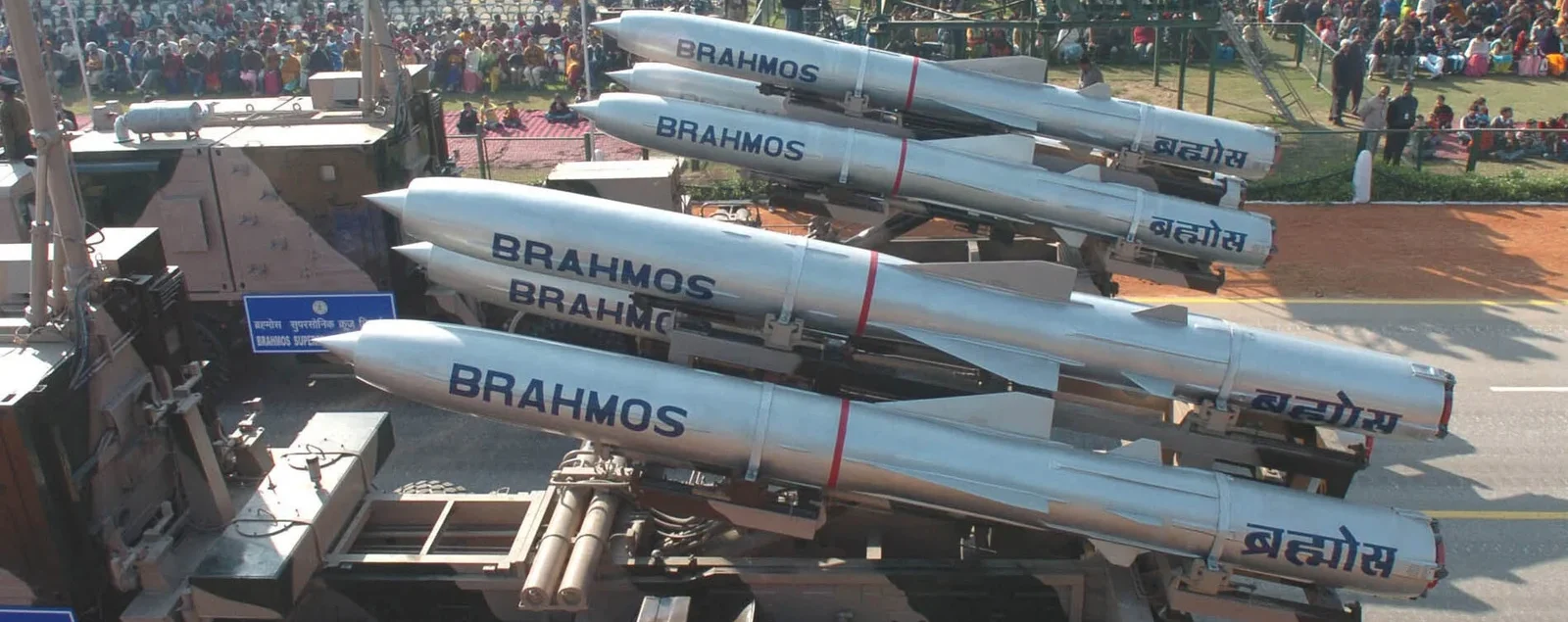
The Philippines is looking to strengthen its coastal defence capabilities through potential additional acquisitions of India’s BrahMos supersonic cruise missile system. The move reflects Manila’s growing interest in Indian defence technology as it seeks to improve maritime security and address strategic challenges in the South China Sea.
Recent statements by Philippine defence officials indicate that the country is interested not only in expanding its BrahMos inventory but also in adapting the system to meet its geographical and infrastructure requirements. Philippine Defence Secretary Gilberto Teodoro reportedly discussed the country’s requirements with Indian authorities during the Delhi Defence Dialogue on November 4, 2026.
One of Manila’s key concerns is the practical deployment of the missile system across its island territory. The Philippines consists of approximately 7,600 islands, creating considerable logistical challenges for transporting military equipment. Teodoro highlighted limitations involving road conditions, bridge infrastructure and the absence of an extensive railway network. These factors have encouraged the Philippines to seek possible modifications that would make the BrahMos system easier to transport and operate in its operating environment.
The proposed expansion would build upon the country’s existing BrahMos acquisition from India. In January 2022, the Philippines signed a $375 million agreement for three shore-based anti-ship missile batteries, becoming the first international customer for the Indian-made missile system. The agreement included associated launchers, command systems, training and logistical support.

The acquisition marked an important milestone in India’s defence export programme and established a new level of defence-industrial cooperation between New Delhi and Manila. The initial systems are intended to strengthen the Philippine Marine Corps’ coastal defence capabilities and provide an additional layer of protection for the country’s maritime approaches.
The possibility of further purchases has also gained attention as the Philippines continues its military modernisation programme. Previous reports have discussed requirements for additional BrahMos batteries, with figures of up to nine additional units being mentioned. However, no final procurement quantity, contract value or delivery schedule for a new order has been officially confirmed.
Philippine Ambassador to India Josel F. Ignacio has also expressed strong satisfaction with the existing missile acquisition. Speaking in an interview with ANI published on November 3, he described the BrahMos system as an important defence purchase and highlighted its contribution to the Philippines’ credible deterrence capabilities. He further indicated that India could become a more significant supplier for Manila’s future high-technology defence requirements.
The BrahMos missile is jointly developed by India’s Defence Research and Development Organisation (DRDO) and Russia’s NPO Mashinostroyenia through BrahMos Aerospace. Its supersonic speed and anti-ship strike capabilities make it an important component of coastal defence operations.
For India, the growing interest from the Philippines represents an opportunity to expand its defence exports and strengthen its strategic presence in the Indo-Pacific region. The partnership also demonstrates how Indian defence manufacturing is increasingly attracting international customers.
While further BrahMos acquisitions remain under consideration, the Philippines’ request for customised systems highlights an important development in the defence partnership. Any future agreement will depend on procurement decisions, technical discussions and the ability to adapt the missile platform to Manila’s operational requirements.
If the proposed expansion moves forward, it could further strengthen India’s position as a defence technology partner in Southeast Asia while supporting the Philippines’ long-term efforts to modernise its coastal and maritime security capabilities.



Facebook Comments