
Brazilian Military Delegation Visits India to Explore BrahMos, Akash and Garuda 105 V2 Defence Systems
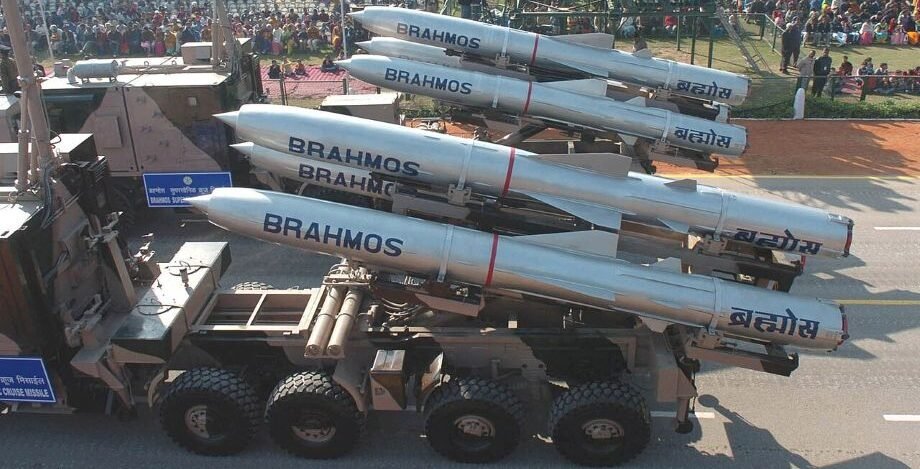
India and Brazil are looking to strengthen their defence relationship as a Brazilian military delegation visits India to examine the country’s defence technologies and manufacturing capabilities. The visit is expected to provide Brazilian officers with a closer understanding of Indian military platforms, particularly the BrahMos supersonic cruise missile, the Akash air defence system and the Garuda 105 V2 artillery system.
The delegation reportedly comprises more than two dozen officers from the Brazilian Army Command and General Staff School. During the approximately two-week programme, the officers are expected to interact with Indian Army representatives and defence industry officials, while visiting key industrial facilities associated with BrahMos Aerospace, Bharat Electronics Limited (BEL) and Tata Advanced Systems in Bengaluru. The engagement offers both countries an opportunity to exchange professional knowledge and explore areas of mutual strategic interest.
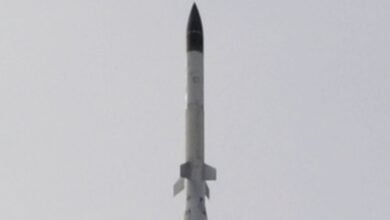
A major focus of the visit is the BrahMos missile, an Indo-Russian jointly developed cruise missile known for its supersonic speed and precision-strike capabilities. Its land-attack and anti-ship roles could make it relevant to Brazil’s efforts to strengthen maritime security and protect its extensive Atlantic coastline. For India, potential Brazilian interest would represent an opportunity to expand defence exports into Latin America. However, no confirmed Brazilian purchase agreement has been announced, and any future acquisition would depend on technical evaluation, financial considerations and formal negotiations.
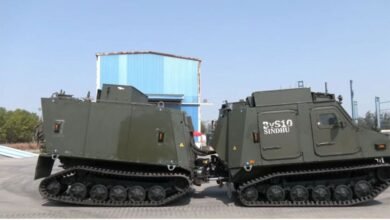
India’s Akash surface-to-air missile system is another platform that could attract attention during the delegation’s discussions. Developed by the Defence Research and Development Organisation (DRDO), Akash is designed to engage aerial threats and is supported by radar, electronic and command-and-control systems. Brazil has been examining options to improve its ground-based air defence capabilities, making discussions around the Indian system potentially significant. A visit to BEL could provide Brazilian officers with insights into the supporting technologies and India’s domestic defence manufacturing ecosystem. Nevertheless, interest in a platform should not be interpreted as a final procurement decision.
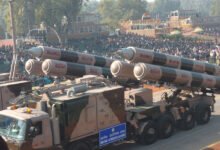
The Garuda 105 V2 ultralight artillery system, associated with Kalyani Strategic Systems, represents another possible area of interest. Its emphasis on mobility and deployment flexibility could be relevant to military forces operating across varied terrain. For Brazil, which faces demanding geographical conditions in several parts of its territory, evaluating mobile artillery and related technologies could contribute to broader capability planning. The extent to which the system meets Brazilian operational requirements would need to be determined through further technical assessment.
Beyond individual weapon systems, the visit reflects a wider opportunity to develop defence industry links between India and Brazil. Both countries have shown interest in expanding cooperation through industrial partnerships, local manufacturing, technology collaboration and stronger supply chains. Brazilian defence companies have already pursued partnerships with Indian firms in areas such as ammunition and small arms, demonstrating that bilateral engagement is not limited to government-level discussions. Further collaboration could create opportunities for businesses in defence electronics, equipment maintenance and manufacturing, subject to commercial agreements and regulatory approvals.
The visit also follows Exercise IBSAMAR IX 2026, the trilateral naval exercise involving India, Brazil and South Africa, conducted off Cape Town from October 12 to 20. Such engagements help participating forces exchange operational experience and improve coordination in maritime security activities. Together with professional military exchanges, industrial visits and defence dialogues, these interactions provide a foundation for deeper long-term cooperation.
For India, engagement with Brazil offers an opportunity to demonstrate the capabilities of its expanding domestic defence industry and explore new international markets. For Brazil, direct exposure to Indian platforms provides a basis for assessing alternative suppliers and potential industrial partners. The outcome of the visit will depend on subsequent discussions and evaluations rather than the visit itself. No confirmed deal for BrahMos, Akash or Garuda 105 V2 has been established by the reported programme.
As India continues to promote indigenous defence production and international partnerships, its engagement with Brazil could become an important part of its broader defence export strategy. The delegation’s assessment of Indian technologies may help identify future areas of cooperation, although any concrete agreement will require further official decisions and negotiations.

Facebook Comments