
Pentagon Leak Investigation: Brett Sylvia’s Dismissal Raises Questions Over Classified Iran and Ukraine Information
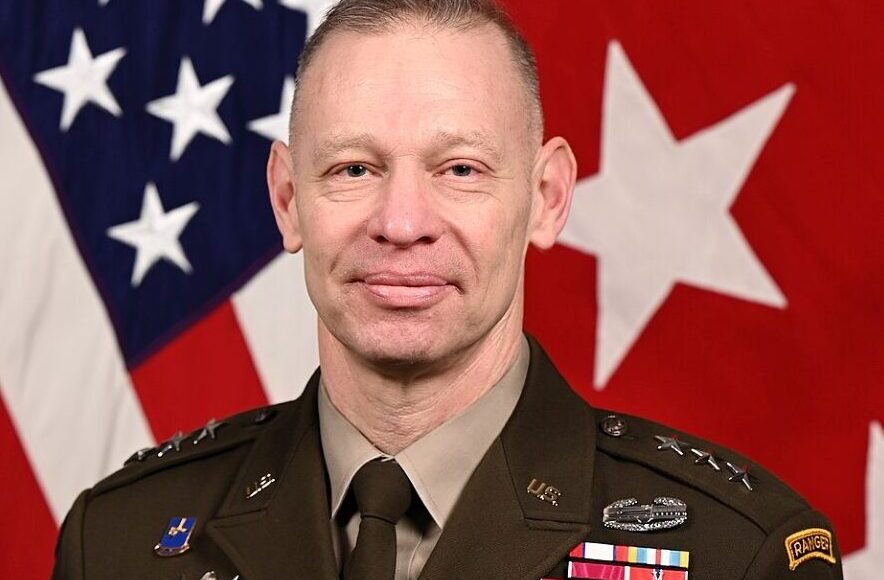
The Pentagon is facing renewed attention over the handling of classified military information following the removal of US Army Lieutenant General Brett Sylvia from one of its most important strategic planning positions. The senior officer was dismissed by US Defence Secretary Pete Hegseth after an investigation into alleged disclosures of sensitive information to journalists covering the Iran conflict and the Russia-Ukraine war.
A report published by Axios on October 29, 2026, revealed details from an internal Pentagon investigation, claiming that Sylvia acknowledged sharing classified information with two journalists during a recorded interview. According to the report, the alleged disclosures took place over approximately one year and involved sensitive subjects connected to US military activities and assistance to Ukraine.
The investigation reportedly examined communications between Sylvia and journalists, including exchanges through Signal, an encrypted messaging platform. Investigators also looked into an alleged face-to-face meeting in Arlington, Virginia, where information concerning American support for Ukraine was reportedly discussed. The findings have brought additional scrutiny to the way sensitive military material is accessed and communicated by senior defence officials.
Sylvia previously held the position of Director of Strategy, Plans and Policy on the Joint Staff, commonly known as the J5 directorate. The office plays an important role in developing military strategy, coordinating defence planning and supporting the Chairman of the Joint Chiefs of Staff. His responsibilities placed him within a senior military structure involved in advising US defence leadership on major national security priorities.


Before joining the Joint Staff, Sylvia served as commander of the US Army’s 101st Airborne Division. His military career included more than three decades of service, making his sudden departure from the Pentagon a significant development within the US defence establishment.
The case reportedly involves two separate areas of military sensitivity. One concerns US involvement and assistance in the ongoing Russia-Ukraine conflict, while the other relates to developments surrounding the war with Iran. Both subjects carry considerable strategic importance, particularly as Washington continues to assess its military commitments and regional security priorities.
Pentagon officials have defended the decision to remove Sylvia, describing it as necessary to protect sensitive government information. Pentagon spokesperson Sean Parnell confirmed that an extensive investigation had been conducted by the Air Force Office of Special Investigations. He also stated that the matter had been referred to the US Department of Justice for consideration of possible further legal action.
However, the allegations have not gone without dispute. CBS News reported that two other Pentagon sources challenged the accusations connecting Sylvia’s dismissal to classified leaks. This difference in accounts makes the investigation particularly significant, as the allegations and the reported findings have not yet been established through a public judicial decision.
The controversy is unfolding during a broader effort by the Hegseth-led Defence Department to identify unauthorised disclosures within the Pentagon. The administration has increased scrutiny of communications involving military officials and journalists, including the use of polygraph examinations as part of leak investigations.
The department has also introduced tighter media-access policies, creating friction between defence officials and several established news organisations. These measures reflect the Pentagon’s stated concern about protecting operational information, although they have also generated debate over transparency, press access and the public’s ability to understand US military operations.
Sylvia’s removal could therefore have implications beyond the career of one senior military officer. The case highlights the challenges facing the Pentagon as it attempts to balance information security with the demands of a modern media environment. It also raises questions about the procedures used to investigate suspected leaks and determine accountability within the military leadership.
With the matter now referred to the Justice Department, attention will turn to whether the investigation results in formal legal proceedings or further administrative action. For now, the dismissal of Lieutenant General Brett Sylvia stands as one of the most prominent developments in the Pentagon’s ongoing campaign against unauthorised disclosures of classified information.



Facebook Comments