
India Signals Stronger Israel Partnership as Election Deadlock Complicates Government Formation
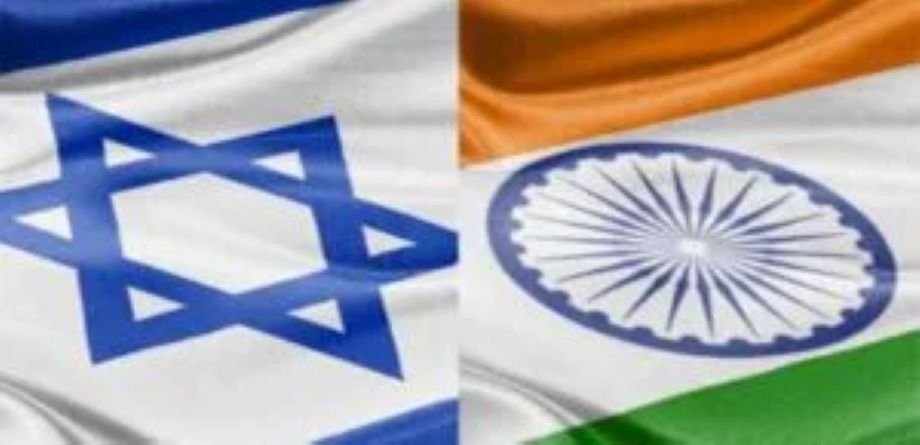
India has reiterated its commitment to strengthening its partnership with Israel as the country faces uncertainty following a closely contested parliamentary election. New Delhi’s statement underscores the importance it places on bilateral relations, even as Israel enters a potentially complicated phase of government formation.
During a media briefing in New Delhi, Ministry of External Affairs spokesperson Randhir Jaiswal said India maintains good relations with Israel and intends to strengthen them further. His remarks signal continuity in India’s approach towards a key Middle Eastern partner at a time when Israel’s domestic political landscape remains unsettled.
The election for Israel’s 26th Knesset has produced a divided parliamentary picture, with no political bloc appearing to have secured the 61 seats required for a majority in the 120-member legislature. Preliminary projections reported on October 29 put Prime Minister Benjamin Netanyahu’s bloc at approximately 53 seats, while the opposition grouping led by Gadi Eisenkot was projected to secure 48. Arab-led parties were projected to win 19 seats, potentially giving them an influential position in the negotiations ahead.
The final distribution of seats and the outcome of coalition discussions remain important factors in determining Israel’s next government. Under Israel’s proportional representation system, parties frequently need to negotiate alliances to establish a parliamentary majority. With competing political groups divided over the country’s future direction, the process could involve difficult compromises and extended discussions.


The election is particularly significant because it is the first parliamentary contest since the Hamas-led attack on Israel on October 7, 2023. Security concerns, the consequences of the prolonged regional conflict, domestic political divisions and debates over judicial reforms have all contributed to the wider political environment in which voters made their choices.
Opposition leaders are now exploring possible arrangements to challenge Netanyahu’s bloc and assemble sufficient support to form a government. The Democrats leader Yair Golan has indicated that he intends to hold discussions with other political figures about potential pathways forward. The possible role of Arab-led parties has also emerged as a major question in the coalition-building process.
For India, the immediate political uncertainty in Israel has not altered its stated intention to pursue stronger bilateral engagement. The relationship has developed across diplomatic, economic, technological and security-related areas, making continuity in official communication important as Israel works towards establishing its next administration.
India and Israel have developed a strategic partnership that includes cooperation in defence technology, agriculture, innovation, water management and other areas of mutual interest. Defence and security engagement has remained an important dimension of the relationship, with both countries having interests in technology development and addressing evolving security challenges.
The latest Indian statement should not, however, be interpreted as an endorsement of any particular Israeli political party or coalition. Rather, it communicates New Delhi’s intention to maintain and deepen the bilateral relationship while Israel’s domestic political process continues.
The coming days are likely to bring greater clarity as election results are finalised and political leaders assess their options. The composition of the next government could influence Israel’s policy priorities and the pace of future diplomatic engagements, although India’s public position indicates that it intends to continue building ties.
As negotiations unfold, attention will remain on whether Israel’s political parties can establish a stable governing arrangement. For New Delhi, maintaining constructive relations with Israel while closely following developments across the Middle East will remain an important part of its broader diplomatic engagement with the region.

Facebook Comments