
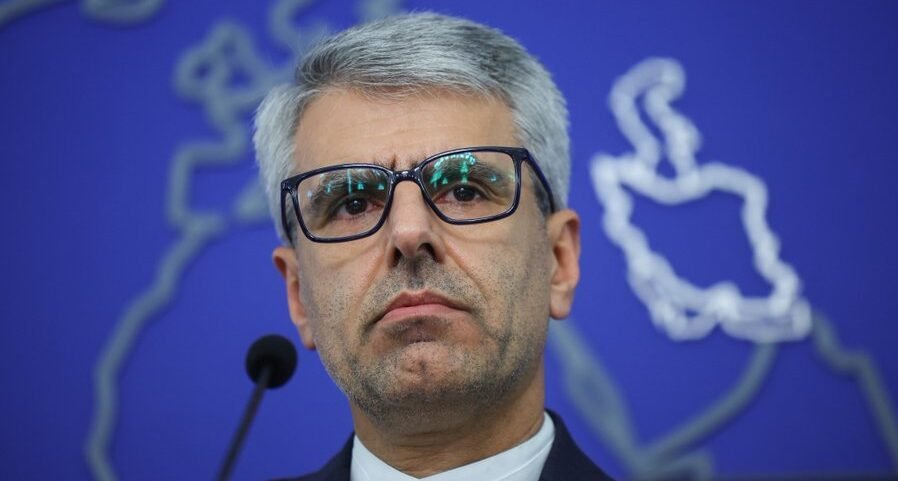
Iran’s Foreign Ministry has ruled out any negotiations with the United States, reaffirming its commitment to strengthening its defence posture amid escalating tensions and reported US military strikes in the region.
The categorical rejection signals Tehran’s hardened stance following recent military confrontations. Iran has historically prioritised self-reliance in defence, developing indigenous missile systems, air defence networks, and naval capabilities to counter external pressure and maintain regional deterrence.
Iran’s defence strategy centres on asymmetric capabilities and long-range strike systems. The country has invested heavily in ballistic missile programmes, including the Shahab and Khordad families, and has expanded production of drone systems for surveillance and strike missions. These platforms form the backbone of Iran’s stated doctrine of credible deterrence against better-equipped adversaries.
The Iranian military has also modernised its air defence architecture with systems like the Khordad 15, a medium-range air defence platform designed to counter aircraft and cruise missiles. Domestically produced radar and command-control systems support this network, reducing reliance on external suppliers and limiting vulnerability to sanctions.
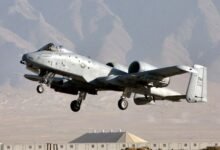
Iran’s naval strategy emphasises swarm tactics using fast attack craft, submarines, and coastal defence missiles to challenge adversaries in the Persian Gulf and Strait of Hormuz. These capabilities serve both as deterrents and as instruments of regional power projection.
The rejection of negotiations underscores Tehran’s belief that military strength, rather than diplomacy, will secure its interests. This posture reflects decades of sanctions, regional isolation, and experiences of military intervention. Iran views defence capability as a non-negotiable prerequisite for national sovereignty.
For regional observers and strategic analysts, Iran’s hardened stance indicates a commitment to sustaining defence expenditure despite economic constraints. Investment in missile production, drone manufacturing, and air defence modernisation will likely continue as core policy priorities.
The escalation also highlights the vulnerability of the region to miscalculation. Iran’s declared focus on defence capabilities, combined with its rejection of dialogue, narrows the diplomatic off-ramp and increases the risk of unintended escalation in an already volatile theatre.


Facebook Comments