
AMCA stealth fighter development outpaces global competitors, analysts note
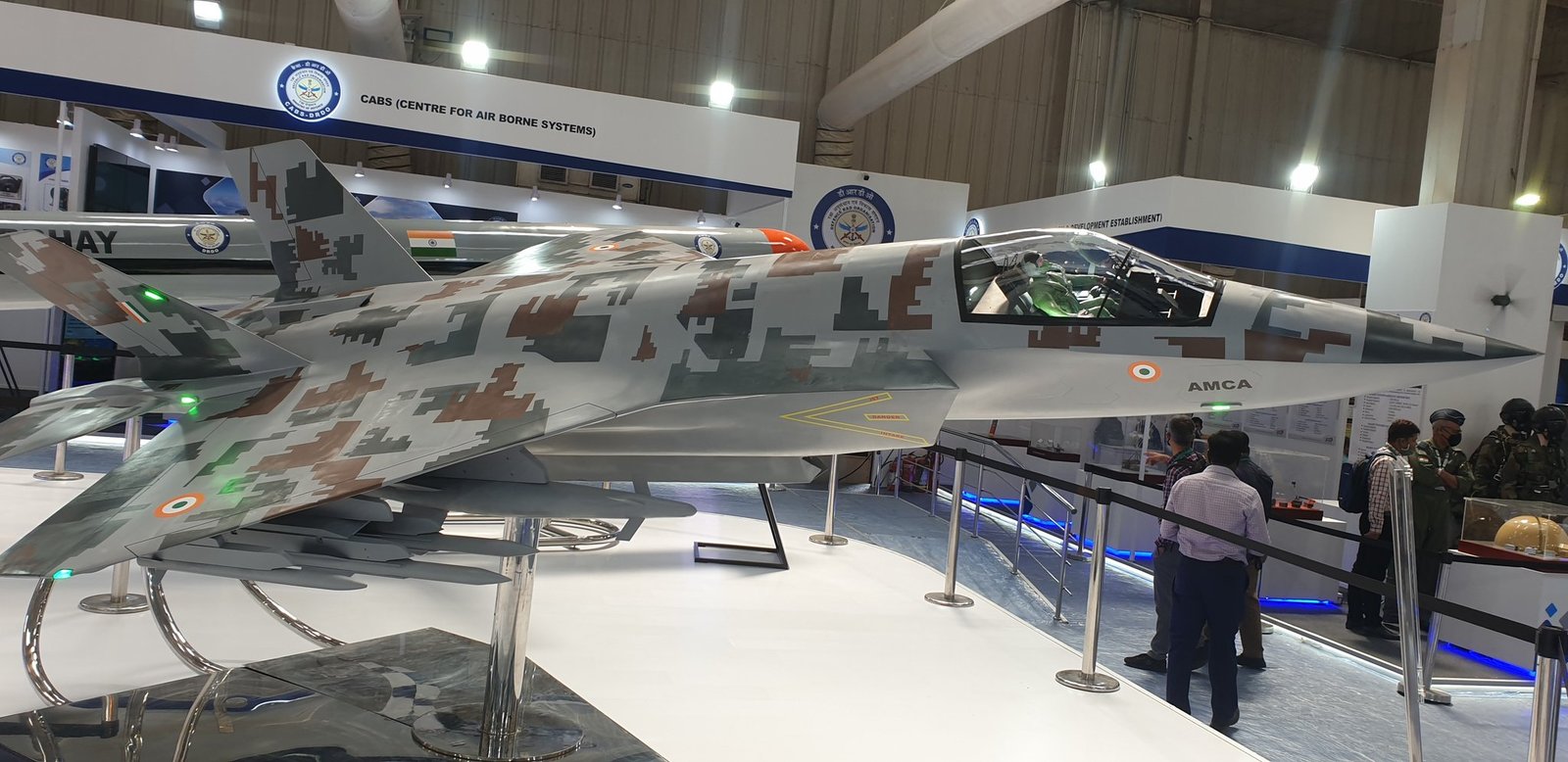
India’s Advanced Medium Combat Aircraft (AMCA) programme is progressing at a pace that contrasts sharply with development delays and technical challenges faced by stealth fighter projects in other major defence powers, according to defence analysts tracking the indigenous aircraft initiative.
The AMCA, under development by Hindustan Aeronautics Limited (HAL) with support from the Defence Research and Development Organisation (DRDO), represents India’s most ambitious domestic combat aircraft programme since the Tejas light combat aircraft. The fifth-generation fighter is designed to meet the Indian Air Force’s long-term air superiority requirements and reduce dependence on foreign acquisitions.
Development of stealth fighters globally has encountered significant hurdles. The United States F-35 programme faced cost overruns and integration delays spanning decades. Russia’s Sukhoi Su-57 has struggled with engine development and limited production orders. Other nations attempting indigenous stealth designs have encountered technical bottlenecks in materials science, avionics integration, and radar cross-section reduction techniques.
The AMCA programme benefits from India’s experience building the Tejas, which provided critical lessons in aircraft design, indigenous systems integration, and flight testing protocols. The AMCA incorporates more advanced technologies, including fly-by-wire systems, active electronically scanned array (AESA) radar, and stealth design principles developed through DRDO’s sustained research into low-observable aircraft geometry and materials.

HAL has established dedicated design and manufacturing facilities for the AMCA at its Bangalore complex. The aircraft is planned in two variants: the single-engine AMCA Mk-1 for initial operational capability and a twin-engine AMCA Mk-2 for enhanced payload and endurance. The programme incorporates indigenous engine development through gas turbine research at DRDO’s Gas Turbine Research Establishment (GTRE), addressing a critical vulnerability in India’s defence industrial base.
The AMCA programme aligns with India’s broader Make in India strategic objectives and the Atmanirbhar Bharat (self-reliant India) initiative. Successful development would position India among a select group of nations capable of designing and producing fifth-generation combat aircraft, alongside the United States, Russia, and China. The fighter is expected to serve the Indian Air Force well into the 2060s.
India’s defence procurement strategy increasingly emphasises indigenous design and development to reduce technology dependence and build sustainable aerospace manufacturing capabilities. The AMCA represents the logical progression of that policy, building on institutional knowledge and industrial partnerships cultivated over two decades of Tejas development.




Facebook Comments