
India Targets ₹50,000 Crore Defence Exports by 2030 Amid Rising Global Demand
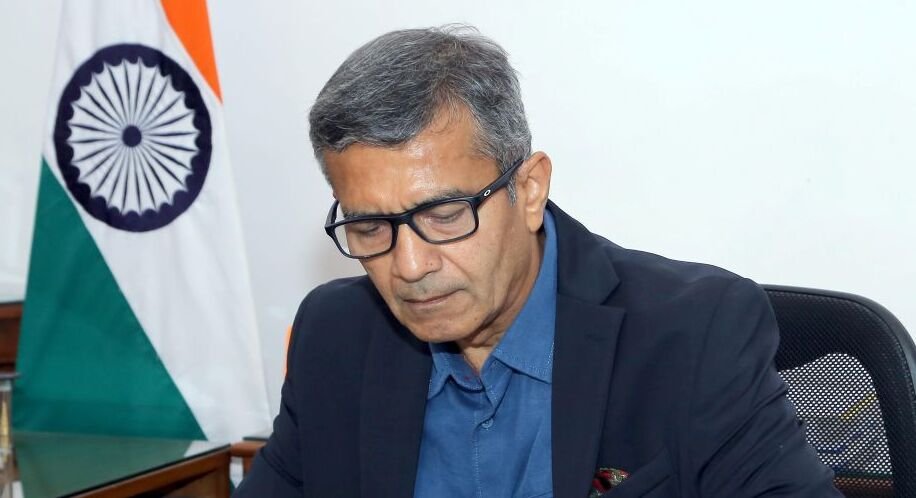
India is confident of achieving ₹50,000 crore in defence exports by 2030, according to Rajesh Kumar Singh, reflecting accelerating momentum in the country’s push to become a global defence manufacturing hub.
The target represents a significant scaling up of India’s defence export capabilities. Currently, India exports defence equipment and systems to over 80 countries across multiple continents, a portfolio built on platforms ranging from light combat aircraft to naval systems, artillery, and small arms ammunition.
This ambition sits within India’s broader Make in India strategy, which has shifted defence procurement and production toward indigenous design and manufacture. The Ministry of Defence has progressively raised the indigenisation bar for defence PSUs and private industry, making domestic development and export competitiveness core policy pillars.
Several factors are driving this confidence. Geopolitical tensions in Europe, the Middle East, and the Indo-Pacific have created sustained global demand for defence equipment. India’s defence exports have grown steadily over the past five years, supported by successful campaigns for platforms like the Brahmos cruise missile (jointly developed with Russia), the Tejas light combat aircraft, advanced artillery systems, naval vessels, and air defence radars developed by DRDO.


The private sector has also entered the export space. Companies like Bharat Dynamics Limited, Cochin Shipyard, Mazagon Dock Shipbuilders, and Godrej Aerospace have secured overseas orders. Private defence manufacturers are increasingly supplying sub-assemblies and critical components to both PSUs and export partners, strengthening the industrial ecosystem.
India’s strategic partnerships further buttress export potential. Joint development agreements with countries like France, Israel, and Russia have created platforms with proven international appeal. The Brahmos missile, for instance, has been marketed to multiple Southeast Asian and Middle Eastern nations. Similarly, the HAL Tejas has attracted interest from friendly air forces seeking lightweight, cost-effective fighters.
Defence exports also serve strategic messaging. By supplying equipment to aligned nations in South Asia, Southeast Asia, Africa, and the Gulf, India reinforces its position as a reliable defence partner and counters competitor influence in key regions.
Achieving ₹50,000 crore by 2030 will require sustained focus on three fronts: expanding production capacity at existing defence PSUs and facilities, accelerating the integration of private industry into the export supply chain, and securing additional international orders through government-to-government defence partnerships and competitive bidding processes.
India’s current defence export base, while growing, remains modest compared to global powers. The United States, Russia, France, Germany, and China dominate global defence trade. India’s ambition to reach ₹50,000 crore is realistic only if new export contracts materialize and production timelines remain on schedule.




Facebook Comments