
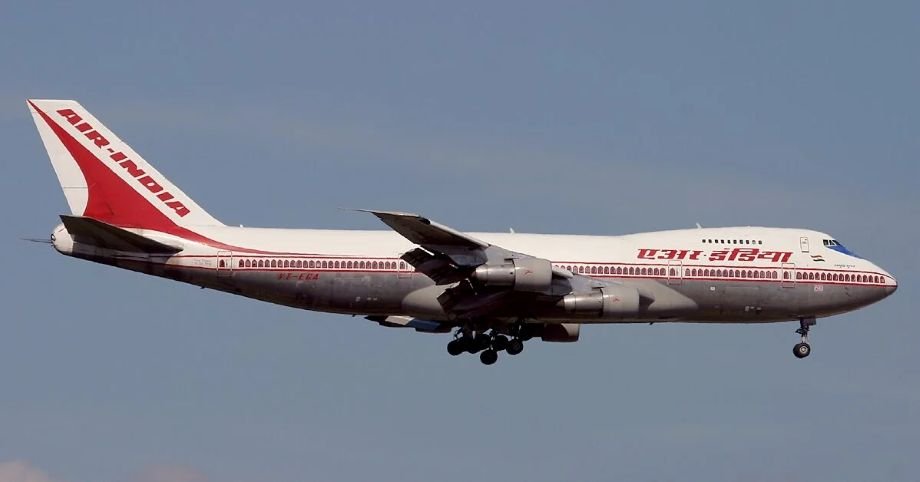
Air India’s net loss for financial year 2026 has doubled to Rs 22,238 crore, according to N. Chandrasekaran, chairman of Tata Sons. The airline’s turnaround is expected to take between five and ten years to complete.
The airline has been undergoing restructuring since its acquisition by Tata Sons in January 2022. At that time, Air India inherited significant financial and operational challenges accumulated over two decades of state ownership. The integration of Air India with Vistara, Tata’s premium carrier, is a cornerstone of the revival strategy.
The doubling of losses reflects the scale of operational challenges inherited by the new ownership. These include an ageing aircraft fleet, high fuel costs, debt servicing obligations, and intense competition from budget carriers. The airline has been simultaneously modernising its fleet as part of its long-term transformation strategy.
Air India’s revival is part of a broader pattern in Indian civil aviation. The sector has seen significant consolidation in recent years, with multiple carriers either exiting or merging. SpiceJet and Go Airlines have faced severe financial stress. IndiGo and Akasa Air represent the growth segment, though both operate primarily in the low-cost market.

The airline’s international network expansion has been gradual but steady. Routes to North America, Europe, and Southeast Asia have been added or reinstated. Domestic capacity continues to dominate fleet utilisation, though the carrier aims to increase its share of premium international traffic.
The five to ten-year timeline aligns with turnaround expectations for large-scale airline restructuring globally. Full profitability will depend on continued debt reduction, completion of fleet modernisation, optimisation of route profitability, and improvements in operational efficiency comparable to leading global airlines.
Tata Sons has committed substantial capital to the restructuring, viewing Air India as a strategic asset within its aviation portfolio. The group also operates Air India Express, providing it with a presence across both low-cost and full-service market segments.


Facebook Comments