
India Ready for New Air Challenge as IAF Chief Backs Faster AMCA Push
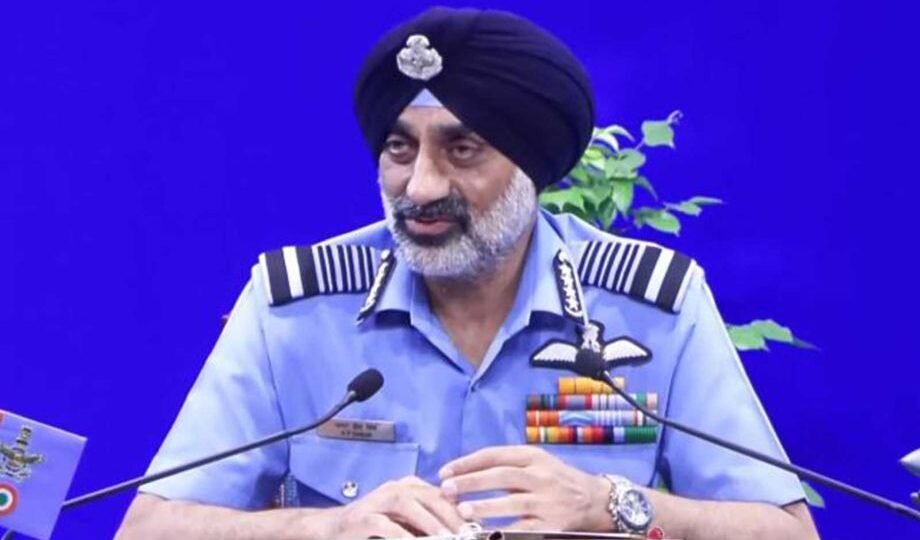
The Indian Air Force is closely watching the growing presence of fifth-generation fighter technology in the region, but Air Chief Marshal A.P. Singh has made it clear that India has the capability to respond to the emerging challenge.
Speaking ahead of Air Force Day, the IAF Chief said reports of Pakistan potentially acquiring advanced fifth-generation fighter aircraft from China are a matter of concern, but they do not automatically translate into an advantage over India. He stressed that modern air combat is determined by the combined performance of aircraft, weapons, sensors, surveillance platforms and command networks rather than by the capabilities of a single fighter.
According to Singh, India already operates a range of systems that can be integrated to counter sophisticated aerial threats. The country’s ability to connect fighters with radar networks, airborne surveillance platforms, missiles, electronic warfare systems and other assets will remain an important part of its response to advanced enemy aircraft.
The Air Chief’s comments come as China continues to expand its advanced combat aircraft capabilities and Pakistan deepens its defence relationship with Beijing. The possibility of Pakistan receiving a fifth-generation fighter has therefore added urgency to India’s efforts to modernise its combat fleet.
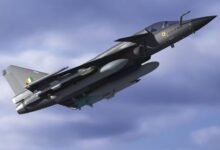
At the centre of India’s long-term response is the Advanced Medium Combat Aircraft (AMCA) programme. The indigenous aircraft is being developed as India’s future fifth-generation stealth fighter and is expected to introduce advanced sensors, avionics, weapons integration and low-observable capabilities into the IAF’s combat fleet.
Singh has emphasised that the AMCA programme needs to move forward at a faster pace. Any prolonged delay could create a capability gap at a time when neighbouring countries are rapidly investing in next-generation combat aviation. He has also indicated that India may need to examine other options if the indigenous programme does not progress according to the required timeline.
The urgency is also linked to the IAF’s fighter squadron strength. The force currently operates fewer fighter squadrons than its authorised requirement, making timely induction of new aircraft essential for maintaining operational readiness. Alongside AMCA, the IAF is looking toward additional Tejas aircraft and other fighter acquisition programmes to strengthen its fleet.
The Air Chief’s assessment reflects a broader shift in modern air warfare, where technological superiority is increasingly determined by how effectively different military systems operate together. A fifth-generation fighter may offer stealth and advanced sensors, but its overall battlefield effectiveness also depends on weapons, data links, surveillance, electronic warfare and command-and-control support.
For India, the immediate priority is therefore to maintain and strengthen its existing capabilities while ensuring that the transition toward next-generation combat aviation does not lose momentum. Faster progress on AMCA could eventually provide the IAF with an indigenous fifth-generation platform capable of meeting the changing air-power requirements of the region.
The message from the IAF leadership is clear: India is not without options in the face of the emerging China-Pakistan fighter challenge, but maintaining the country’s future air-power advantage will require faster aircraft development, timely inductions and continued investment in advanced combat technologies.


Facebook Comments