
India Engages Russia and Ukraine to Open Black Sea Food Corridors Amid Ongoing War
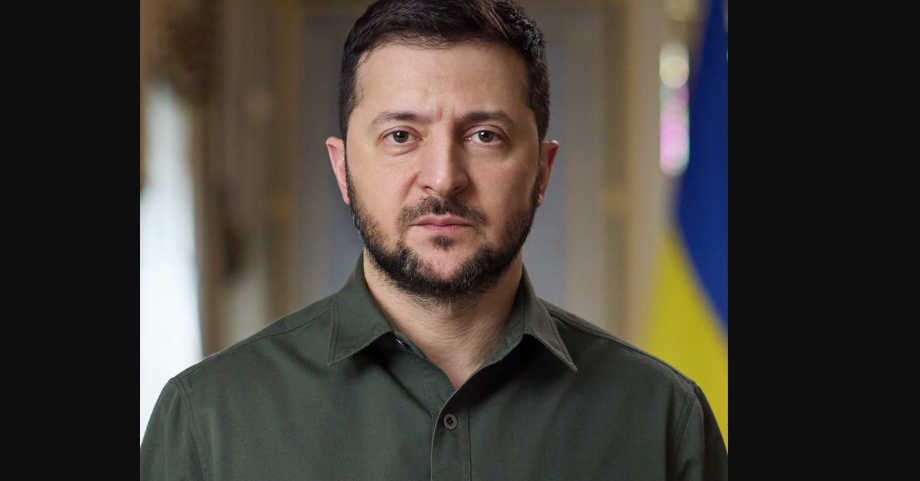
India has stepped up its diplomatic efforts to address disruptions to food exports through the Black Sea amid the continuing Russia-Ukraine conflict. New Delhi has reportedly exchanged ideas with both Moscow and Kyiv on establishing safe food corridors to facilitate the movement of grain shipments and protect international food supplies. The development follows discussions between Prime Minister Narendra Modi and Ukrainian President Volodymyr Zelenskyy, highlighting India’s growing role in diplomatic efforts aimed at reducing tensions between the two countries.
On November 9, 2026, Prime Minister Modi held a telephone conversation with President Zelenskyy to discuss bilateral relations, the ongoing conflict and possible diplomatic initiatives for restoring peace. Following the discussion, Zelenskyy stated that Ukraine had raised concerns over restrictions on grain exports through the Black Sea. He also indicated that India was prepared to help mediate the establishment of food corridors to ensure the uninterrupted movement of agricultural products.
Zelenskyy’s remarks highlighted the importance of India’s diplomatic engagement at a time when maritime security and food supply chains remain major international concerns. The Black Sea is a strategically important route for agricultural exports, particularly Ukrainian grain, which supplies markets across several regions. Continued attacks and security risks affecting ports, commercial vessels and maritime infrastructure have created challenges for exporters and increased uncertainty in international food markets.
Following the conversation between Modi and Zelenskyy, External Affairs Minister S. Jaishankar also spoke with Russian Foreign Minister Sergey Lavrov. According to Jaishankar’s public statement, the discussion focused on the Ukraine conflict and ongoing diplomatic initiatives. These parallel diplomatic contacts reflect India’s effort to maintain communication with both sides while exploring practical measures that could reduce the impact of the conflict on international trade.
On November 11, the Ministry of External Affairs provided further clarification on India’s position. MEA spokesperson Randhir Jaiswal confirmed that India had exchanged ideas with Russia and Ukraine regarding food corridors and remained in contact with both countries and other interested parties. He also reiterated India’s broader proposal, which focuses on the safety of commercial shipping in the Black Sea, concerns surrounding grain and energy exports, and possibilities for preventing attacks on critical infrastructure.
India’s approach is particularly significant for developing countries that depend on stable international supplies of food, fuel and fertilisers. Any prolonged disruption to grain transportation can increase commodity prices, create pressure on import-dependent economies and worsen food insecurity. By encouraging safer maritime routes, India hopes to contribute to wider economic stability while supporting diplomatic efforts to end the war.
New Delhi has consistently maintained that dialogue and diplomacy are essential to resolving the Russia-Ukraine conflict. India has also kept communication channels open with both governments despite maintaining different strategic and economic relationships with Moscow and Kyiv.
Although no final agreement on the proposed food corridors has been announced, India’s continued discussions with the two countries indicate that diplomatic efforts are progressing. The success of the initiative will depend on cooperation from Russia and Ukraine, practical security arrangements and assurances for commercial shipping.
India’s involvement could provide an important diplomatic opportunity to address humanitarian and economic concerns linked to the conflict. However, the establishment of operational food corridors will require further negotiations and commitments from the parties involved.
Facebook Comments