
Houthis Strike Saudi Tankers in Red Sea; Strategic Corridor Under Pressure

Houthi militants claimed strikes on two Saudi-flagged oil tankers in the Red Sea, marking their first reported attack since imposing a blockade on commercial shipping in the region. The group said it targeted vessels transiting one of the world’s most critical maritime trade corridors.
The Red Sea remains one of the busiest shipping lanes globally, connecting Europe to Asia through the Suez Canal. An estimated 12 percent of global maritime trade passes through these waters, making any disruption a significant concern for international commerce and energy security.
The Houthis, an Iran-backed militant group based in Yemen, have periodically threatened shipping in the Red Sea and Arabian Sea. Their ability to conduct coordinated maritime attacks underscores the threat posed by non-state actors equipped with anti-ship missiles, fast-attack craft, and unmanned systems to international commerce.
India faces direct implications from sustained maritime disruptions in this region. Indian vessels transit the Red Sea regularly en route to Europe, the Mediterranean, and North Atlantic markets. The Indian Navy maintains a persistent presence in the Arabian Sea and Gulf of Aden to protect Indian-flagged vessels and ensure safe passage of merchant shipping.

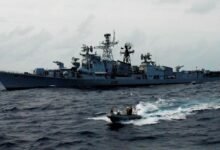
New Delhi has consistently emphasized freedom of navigation and unimpeded maritime commerce as cornerstones of its Indo-Pacific strategy. The Navy deploys guided-missile destroyers, frigates, and offshore patrol vessels to monitor chokepoints and respond to security incidents. Recent exercises like Milan and bilateral maritime drills with regional partners reinforce India’s commitment to secure sea lanes.
The tanker strikes also highlight vulnerabilities in global shipping security and the rising cost of maritime insurance for vessels transiting high-risk zones. Energy markets remain sensitive to supply disruptions, and any escalation could push crude prices higher, affecting India’s import bill and inflation trajectory.
From a strategic perspective, the incident underscores why India has invested in modern naval platforms capable of detecting, tracking, and neutralizing maritime threats. Indigenous systems like the BrahMos supersonic cruise missile and advanced sonar arrays deployed on Indian warships enhance the Navy’s ability to maintain sea control and deter hostile actors.
The Navy also operates the Dornier surveillance aircraft and P-8I Poseidon maritime patrol aircraft to extend its reconnaissance reach across the Arabian Sea and beyond. These platforms provide early warning of potential threats to merchant traffic and enable rapid response by surface vessels.
India has also called for coordinated international action to counter piracy and maritime terrorism, participating in multinational task forces and information-sharing mechanisms. The incident is likely to reinforce New Delhi’s advocacy for stronger maritime security protocols and regional cooperation frameworks in the Indian Ocean.




Facebook Comments