
Gorkha Veterans Renew Push for Indian Army Recruitment as Nepali Youths Seek Agniveer Entry
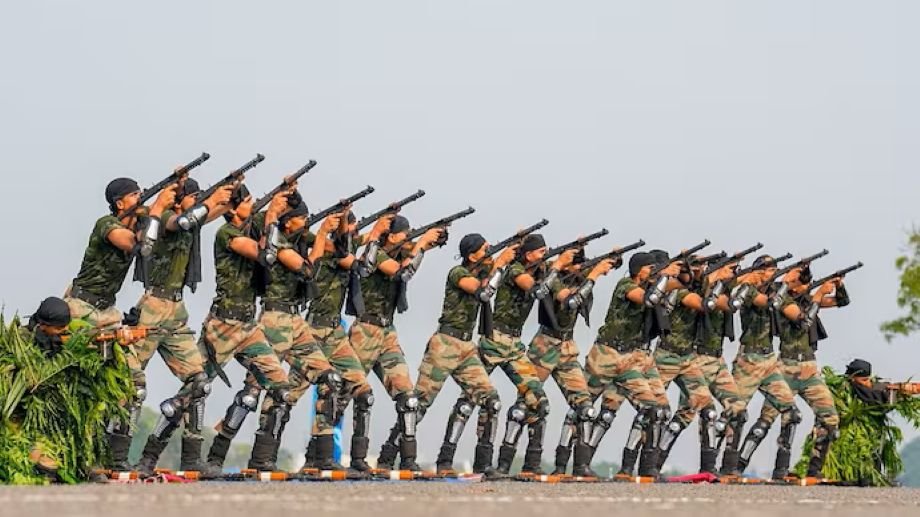
Former Gorkha soldiers and Nepali youths have renewed their demand for the resumption of recruitment into the Indian Army, bringing the long-running issue of Nepali participation in the Agnipath scheme back into focus.
A protest was held in Pokhara, Nepal, where former Indian Army personnel, aspiring recruits and supporters called for recruitment opportunities to be restored. The protesters submitted a memorandum to the local administration, urging authorities to address the issue and provide young Nepali citizens with an opportunity to join the Indian Army.
The demand comes after the recruitment of Nepali Gorkhas into the Indian Army was disrupted following the introduction of the Agnipath scheme in 2022. The new system changed India’s military recruitment model by introducing a four-year service period for Agniveers. After completing four years, only a limited percentage of each batch can be retained for longer service, while the remaining personnel leave with a financial package.
The new recruitment structure has been a concern for Nepal because it differs significantly from the traditional system under which Gorkha soldiers served in the Indian Army. Nepali authorities have previously raised questions about the implications of the Agnipath model for their citizens and the longstanding arrangements governing Gorkha recruitment.
For decades, service in the Indian Army has been an important career option for Nepali youths. Gorkha soldiers have served in various Indian Army units and have developed a strong historical connection with India’s armed forces. Military service has also provided employment and financial support to many families in Nepal.
During the latest demonstration, protesters reportedly argued that serving as an Agniveer in the Indian Army would be a better option for many young Nepalis than travelling to Gulf countries in search of employment. Their comments underline the continued interest among Nepal’s youth in military service despite the uncertainty surrounding recruitment.
The issue has also gained significance because of the wider defence relationship between India and Nepal. The Gorkha recruitment tradition has been an important element of bilateral military ties, alongside cooperation involving retired personnel, training and other defence-related engagements.
The latest protest does not indicate that recruitment has officially resumed. Instead, it reflects growing demands from sections of Nepali society for a solution to the recruitment deadlock. Any decision to restart the process would require discussions between the governments of India and Nepal.
The development comes ahead of Indian Army Chief General Dhiraj Seth’s scheduled visit to Nepal, adding further attention to the longstanding military relationship between the two countries. While the visit is expected to cover broader defence cooperation, the future of Gorkha recruitment remains an important issue for many former soldiers and aspiring recruits.
For Nepali youths who have traditionally viewed the Indian Army as an attractive career opportunity, the uncertainty has created considerable disappointment. The latest demonstration shows that the demand for recruitment opportunities remains active.
The future of Nepali recruitment under the Agnipath system will ultimately depend on how India and Nepal address their respective concerns. Until an agreement is reached, recruitment of Nepali citizens under the new framework remains uncertain, while former Gorkha soldiers and young aspirants continue to press for a resolution.

Facebook Comments