
CIK Conducts Raids Across J&K Against Pakistan Terror Sleeper Cells
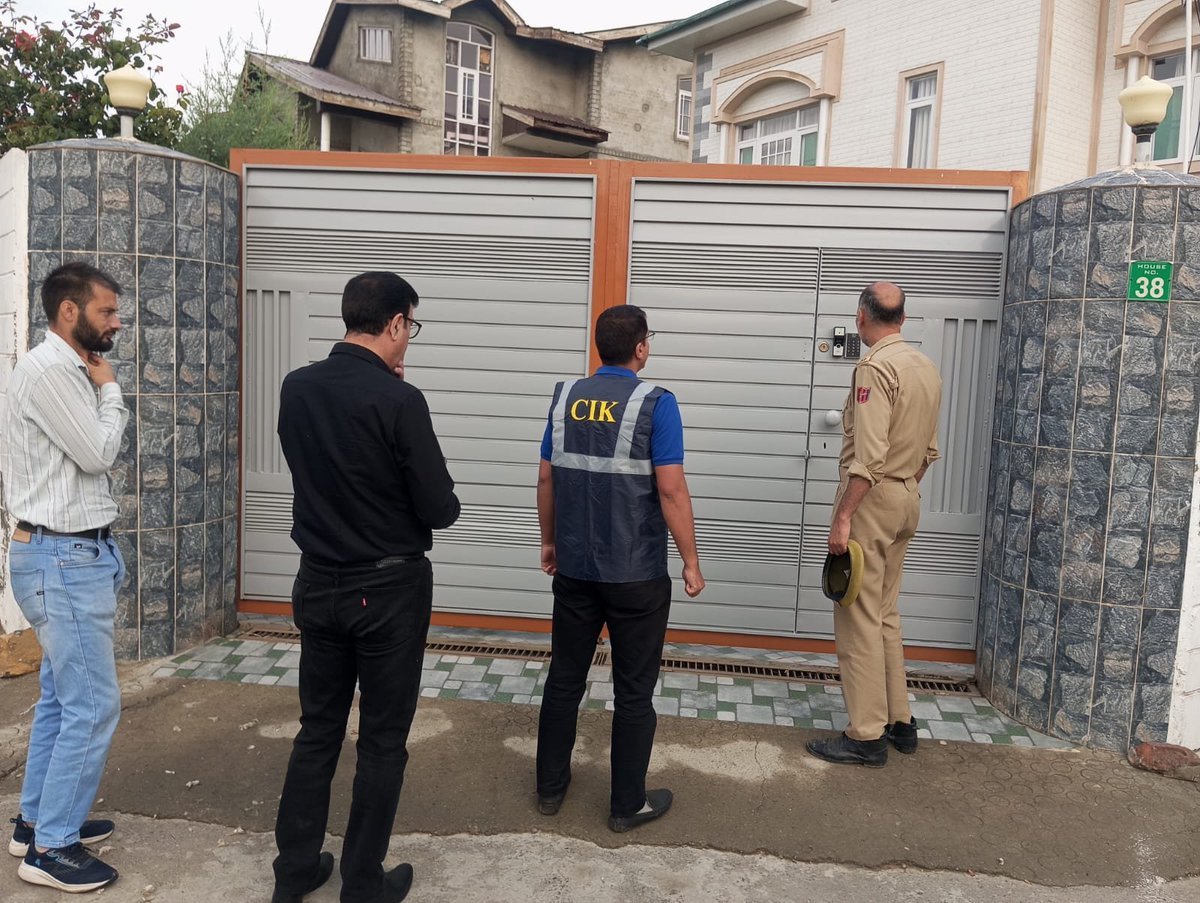
The Central Investigation Kit (CIK) has conducted coordinated raids across Jammu and Kashmir targeting networks linked to Pakistan-based terror organisations and domestic sleeper cell operations, according to ANI News.
The raids represent a sustained counter-terror effort by Indian security agencies to dismantle terror support infrastructure in the Union Territory. Such operations are typically coordinated between central paramilitary forces, state police, and intelligence agencies to prevent terror financing, recruitment, and operational planning.
Pakistan-sponsored terror outfits have maintained active sleeper networks in Jammu and Kashmir for over two decades. These cells conduct reconnaissance, facilitate weapons smuggling across the Line of Control, and provide logistical support to active terror modules. The primary organisations of concern include Jaish-e-Mohammad, Lashkar-e-Taiba, and Hizbul Mujahideen, which coordinate with Pakistani military intelligence handlers.
Counter-terror operations in J&K have intensified since the 2019 Pulwama attack and the subsequent revocation of Article 370. Security forces have significantly degraded terror infrastructure through ground-level intelligence gathering, surveillance of movement corridors, and targeted operational responses. Last year alone, security forces neutralised over 80 terror operatives across the Union Territory.


The CIK raids align with India’s broader counter-insurgency strategy, which combines kinetic operations with intelligence-led dismantling of support networks. Dismantling sleeper cells prevents terror organisations from launching coordinated strikes and disrupts the cycle of recruitment and radicalisation that has historically sustained terror activity in the region.
Intelligence inputs from central agencies, state police intelligence wings, and local human sources form the foundation of these operations. The coordination between multiple agencies has proven critical in identifying hideouts, safe houses, and financial networks that sustain terror operations.
Sleeper cell networks represent a persistent asymmetric threat because operatives remain dormant for extended periods, awaiting activation orders from Pakistani handlers. Identifying and neutralising these networks before activation prevents large-scale terror strikes and protects civilian populations and critical infrastructure across the valley and plains regions.




Facebook Comments