
Bhadauria Questions HAL’s Radar Strategy as Indigenous Uttam System Misses Tejas Mk1A Integration
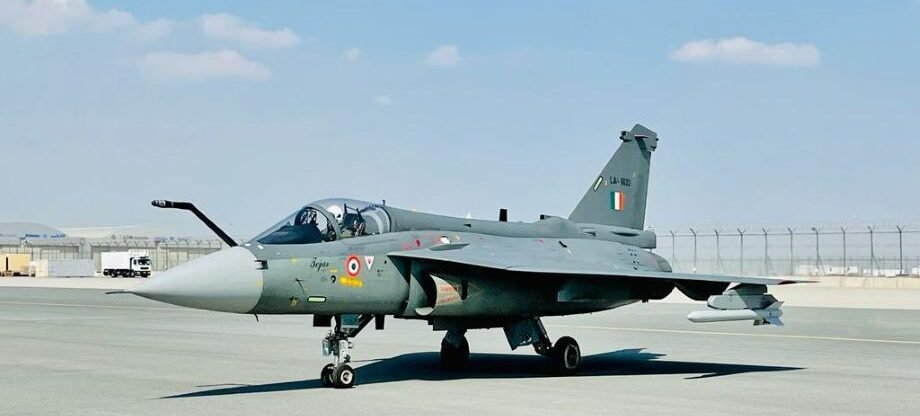
India’s efforts to strengthen its domestic fighter aircraft manufacturing capabilities have come under renewed scrutiny following criticism from former Indian Air Force Chief Air Chief Marshal (Retd) RKS Bhadauria over Hindustan Aeronautics Limited’s (HAL) decision to postpone the integration of the indigenous Uttam Active Electronically Scanned Array (AESA) radar into the Tejas Mk1A fighter programme.
Speaking during Episode 64 of NDTV’s Defence podcast, hosted by Shiv Aroor and Vishnu Som, Bhadauria described HAL’s decision to continue with the Israeli EL/M-2052 radar for the initial batch of Tejas Mk1A aircraft as a “bad decision”. He argued that India should have demonstrated greater confidence in its domestically developed technology, even if introducing the system required additional integration time.
The Uttam AESA radar has been developed by the Defence Research and Development Organisation’s (DRDO) Electronics and Radar Development Establishment (LRDE). It is designed to provide advanced detection, tracking and targeting capabilities for modern combat aircraft. According to Bhadauria, flight-test results obtained by the National Flight Test Centre indicated that Uttam had demonstrated stronger detection performance than the Israeli radar selected for the Tejas Mk1A.
The original approach to the initial Tejas Mk1A procurement programme reportedly involved introducing the Israeli EL/M-2052 radar in the first 40 aircraft, followed by a transition to the indigenous Uttam system from the 41st aircraft onwards. However, HAL subsequently decided to retain the Israeli radar configuration throughout the initial production batch rather than proceed with the planned transition.
HAL’s position has been linked to concerns over certification and integration timelines. The company indicated that introducing the complete indigenous radar and electronic warfare package could potentially add another 12 to 18 months to an already delayed aircraft programme. The indigenous Swayam Raksha Kavach electronic warfare suite also required further certification work before full production integration.
DRDO, meanwhile, maintained that Uttam had reached an advanced stage of development and supported the possibility of introducing the radar separately while using imported electronic warfare equipment as an interim arrangement. This approach could have allowed the indigenous radar to enter service without waiting for the entire domestic electronic warfare package to complete certification.
The controversy comes at a challenging time for the Indian Air Force, which continues to face pressure from a declining fighter squadron strength. With approximately 29 squadrons against an authorised requirement of around 42, timely induction of new combat aircraft remains an important priority.
India’s subsequent order for 97 additional Tejas aircraft, placed in September 2025, provides another opportunity to introduce the Uttam radar into the fighter fleet. HAL has also taken steps towards preparing the system for production by placing orders for radar antenna assemblies and associated interface hardware.
The decision has broader implications for India’s defence manufacturing ambitions. Successful integration of Uttam would strengthen domestic capabilities in fighter radar technology, reduce dependence on foreign suppliers and provide greater control over future upgrades and weapons integration.
Bhadauria’s criticism ultimately highlights the challenge facing India’s aerospace industry: balancing production schedules with long-term technological independence. The success of the Tejas Mk1A programme will depend not only on delivering aircraft on time but also on ensuring that indigenous technologies receive the necessary support to become reliable operational systems.



Facebook Comments