
Beijing Rejects Espionage Allegations Involving Nvidia CEO as Company Launches Independent Probe
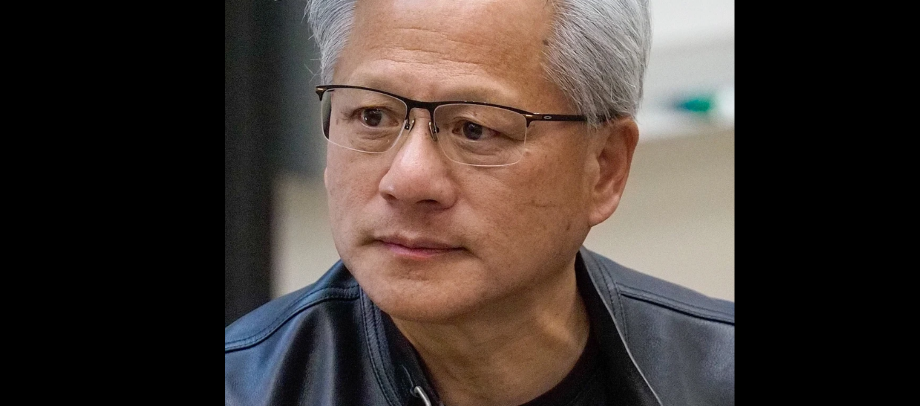
China has strongly rejected allegations that it attempted to use a suspected intelligence operative to gather information from Nvidia CEO Jensen Huang. The Chinese government has described the accusations as unsubstantiated and politically motivated, amid growing scrutiny of the American semiconductor industry’s connections with China.
On November 9, 2026, Chinese Foreign Ministry spokesperson Guo Jiakun addressed the controversy during a regular media briefing. He dismissed claims of a so-called Chinese spy operation, arguing that the allegations lacked credible evidence and were intended to smear China’s international image.
The controversy follows media reports suggesting that a Chinese business executive, identified as Alice Huang, had developed a close relationship with Nvidia’s chief executive. According to reports citing US intelligence assessments, she was suspected of collecting information for Beijing. Alice Huang was reportedly associated with Megaspeed International, a Singapore-based data centre company that has business connections with Nvidia.
The allegations have attracted attention because of Nvidia’s central position in the global artificial intelligence industry. The company manufactures advanced graphics processing units (GPUs) widely used for artificial intelligence training, high-performance computing and data centre operations. Its technology has also become a major issue in the ongoing strategic competition between the United States and China.

Nvidia has previously faced scrutiny over its commercial activities involving the Chinese market. Washington has introduced export restrictions on advanced semiconductor technology to limit China’s access to high-performance computing capabilities. These restrictions have created challenges for American technology companies seeking to maintain international business relationships while complying with national security requirements.
The situation intensified after Nvidia’s board of directors announced an independent investigation into reports suggesting that Jensen Huang may have been targeted as part of a foreign intelligence effort. The company stated that the investigation would examine the available information. However, the board said it had no reason to believe that national security information or Nvidia’s confidential company secrets had been compromised.
Huang also publicly acknowledged a personal relationship that had attracted attention in connection with the reports. He apologised to his family and employees and expressed his willingness to cooperate fully with the board’s investigation. He also reaffirmed his commitment to protecting Nvidia and supporting American national security.
The developments have placed additional attention on the relationship between the semiconductor industry and international security. Nvidia plays an important role in the global AI ecosystem, making questions surrounding its leadership, commercial partnerships and technology protection particularly significant.
The controversy could also influence discussions in Washington about semiconductor export controls and the risks associated with technology transfers to China. American policymakers have repeatedly raised concerns about the potential military and strategic applications of advanced artificial intelligence hardware.
For Beijing, rejecting the espionage allegations is another indication of the sensitivity surrounding accusations of intelligence activities and technology competition. However, the full circumstances behind the reported relationship remain subject to investigation.
As Nvidia’s board continues its inquiry, the issue is likely to remain part of the wider debate over artificial intelligence, national security and US-China technological rivalry. The outcome of the investigation may have implications beyond the company, particularly for international semiconductor trade and the protection of sensitive technology.




Facebook Comments