
India Rejects Hague Tribunal Order on Indus Waters Treaty, Questions Its Jurisdiction
India has rejected the latest decision issued by the Court of Arbitration at The Hague in the dispute with Pakistan over the Indus Waters Treaty, maintaining that the tribunal does not have authority over India.
The Permanent Court of Arbitration said the tribunal has issued an award dealing with the status of the 1960 treaty and an order covering interim measures concerning the Ratle hydro-electric project in Jammu and Kashmir. The proceedings were brought by Pakistan under the treaty’s dispute-resolution framework.
According to the tribunal’s position, the treaty continues to operate and its provisions remain applicable to the countries. The proceedings also involve questions surrounding the design and operation of Indian hydro-electric projects on the western rivers covered by the agreement.
India has consistently opposed the arbitration proceedings and has not participated in them. New Delhi maintains that the Court of Arbitration was not constituted in a manner that gives it jurisdiction over the issues at the centre of the dispute. India therefore does not accept the authority of the tribunal or the effect of its decisions.


The disagreement follows India’s decision to place the Indus Waters Treaty in abeyance after the Pahalgam terror attack in 2025. Since then, the treaty has become a major point of contention in relations between India and Pakistan, particularly over water management and hydro-power development.
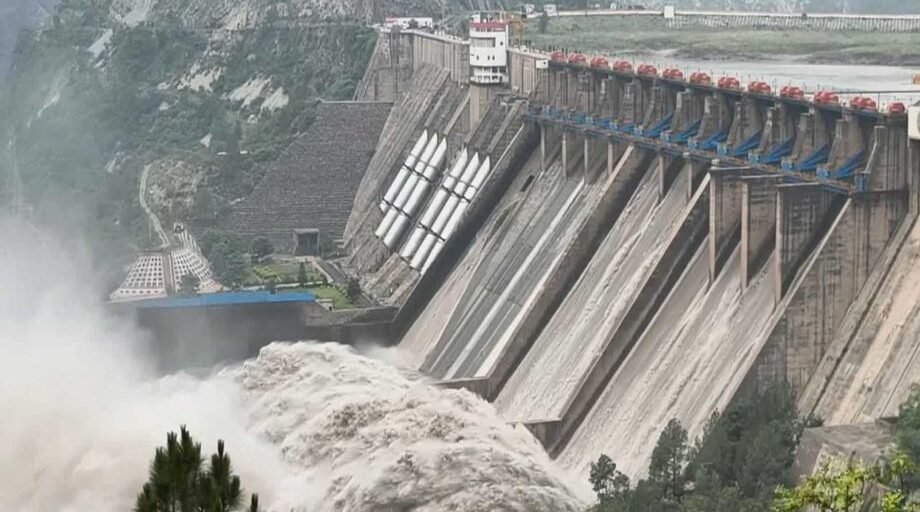
The Ratle project remains a key element of the dispute. The latest order includes interim measures connected with construction at the hydro-electric facility, while further technical and legal questions are expected to remain under consideration.
The latest development has deepened the divide between India’s position and the international arbitration process. While the tribunal has asserted its role in interpreting the treaty, New Delhi continues to maintain that the proceedings cannot restrict India’s sovereign authority or determine its actions concerning projects on the western rivers.




Facebook Comments