
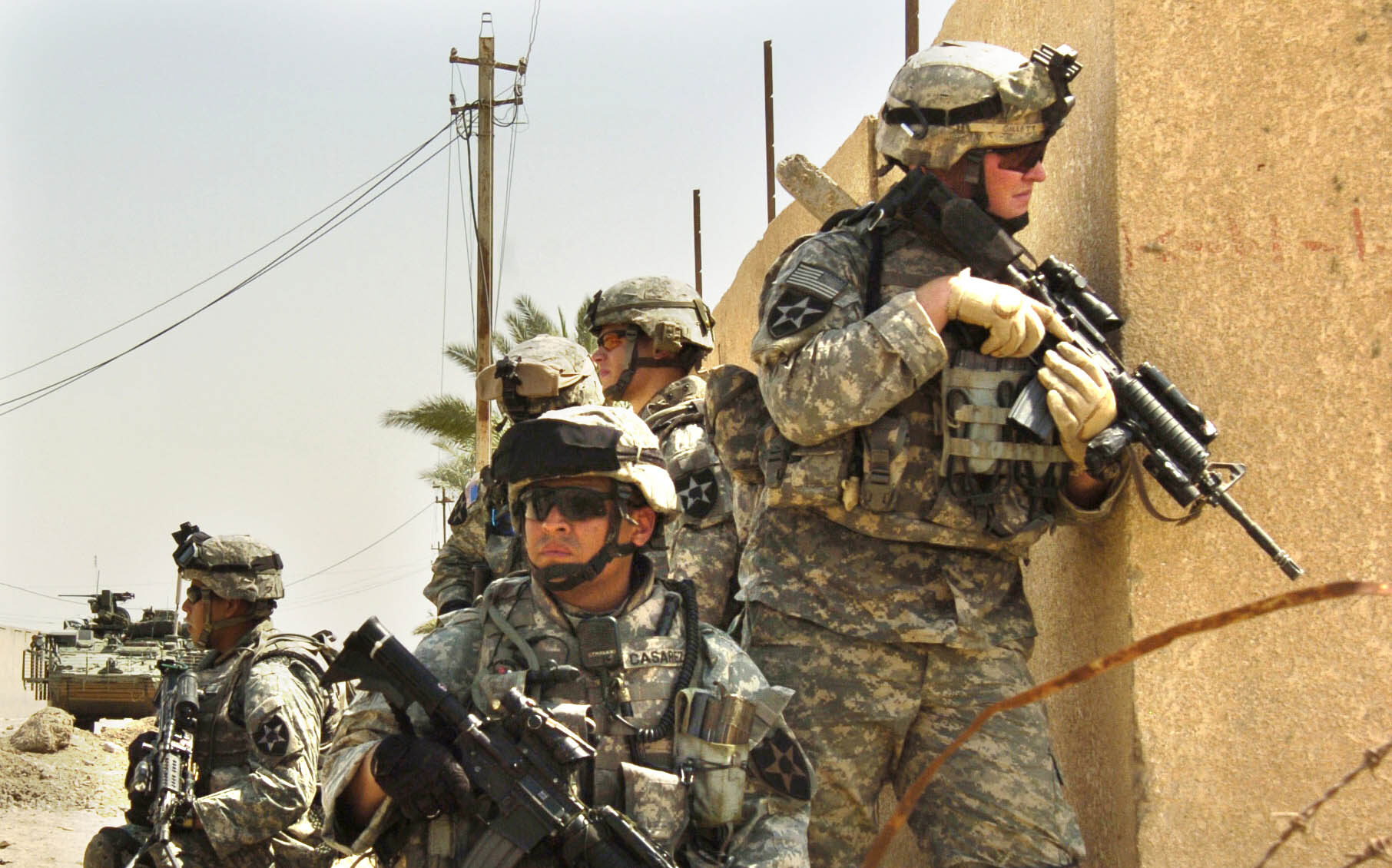
US military personnel who sustained injuries during operations related to Iran tensions reported significantly more severe traumatic brain injuries than initial Army assessments indicated, according to recent accounts from affected soldiers.
The discrepancy between field medical evaluations and the soldiers’ own medical trajectories highlights a broader challenge in combat injury documentation and long-term health monitoring. Soldiers described persistent neurological symptoms, cognitive difficulties, and physical complications that emerged or worsened weeks after initial incidents, suggesting that immediate post-incident assessments may not have captured the full severity of blast-related trauma.
Traumatic brain injury, particularly from blast exposure, remains one of the most complex injuries to diagnose in field conditions. Initial symptoms can be subtle, and full neurological impact may take weeks or months to manifest. The US military has invested substantially in improving TBI protocols and post-deployment screening, yet gaps between initial reporting and actual clinical outcomes continue to surface across conflict operations.
This pattern reflects recurring challenges in military medical systems worldwide. Initial triage prioritises life-threatening injuries, and servicemembers may appear asymptomatic immediately after blast exposure while experiencing cumulative neurological damage. Secondary and tertiary medical reviews, conducted days or weeks later, often reveal significantly more serious underlying conditions.

India’s defence medical establishment, including facilities operated by the Armed Forces Medical Corps across army, navy, and air force commands, applies similar blast injury assessment protocols developed over decades of operational experience. Enhanced training in recognising delayed TBI presentations has become standard in military medical officer curricula, reflecting global lessons from asymmetric and conventional combat operations.
The broader implication for military readiness extends beyond individual servicemember welfare. Accurate injury reporting directly influences force planning, medical resource allocation, and long-term rehabilitation budgeting. Countries with active operational commitments increasingly employ follow-up neuro-imaging and cognitive assessments at 72 hours, two weeks, and six weeks post-incident to establish injury progression baselines.
Soldier accounts underscore the critical importance of veteran-led injury reporting oversight and independent medical review mechanisms. Many militaries now encourage servicemembers to seek second medical opinions and maintain independent health records alongside official military documentation, improving the completeness of injury narratives and ensuring no combat-related trauma goes unaddressed during transition to civilian life.


Facebook Comments