
₹70,000 Crore Project-75(I) Submarine Plan: India-Germany Deal Nears Key Approval
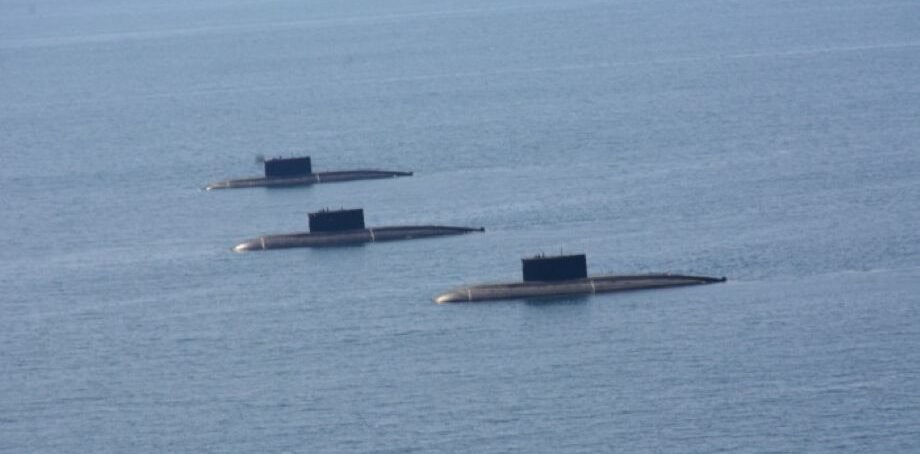
India’s ambitious Project-75(I) submarine programme is moving closer to a major decision, as the proposed ₹70,000-crore deal with Germany is expected to come before the Cabinet Committee on Security (CCS). The programme aims to provide the Indian Navy with six advanced conventional submarines and strengthen the country’s underwater warfare capabilities.
The proposed programme is being pursued through a partnership between Mumbai-based Mazagon Dock Shipbuilders Limited (MDL) and Germany’s ThyssenKrupp Marine Systems (TKMS). Under the arrangement, the submarines are expected to be constructed in India, supporting the country’s wider objective of expanding indigenous defence manufacturing and reducing dependence on overseas production.
Project-75(I) has faced a prolonged procurement process, with technical requirements, commercial negotiations and other procedural issues contributing to repeated delays. The latest movement towards the CCS is therefore significant because approval at this stage could clear one of the programme’s major remaining hurdles.
The proposed submarines are expected to incorporate Air Independent Propulsion (AIP), a capability that allows conventional submarines to remain submerged for longer periods without having to surface or frequently use their snorkels to take in atmospheric air. Greater underwater endurance can enhance a submarine’s stealth and operational flexibility, particularly during surveillance and maritime security missions.


For the Indian Navy, the programme is important because additional modern conventional submarines are required to strengthen its underwater fleet. The six new boats would complement the Navy’s existing submarine force and provide additional capacity for missions including anti-submarine warfare, anti-surface warfare, intelligence, surveillance and reconnaissance.
The project also carries considerable significance for India’s defence industrial base. Building the submarines domestically through MDL is expected to deepen Indian expertise in complex submarine construction and create opportunities for greater participation by domestic suppliers. Cooperation with TKMS would also provide access to advanced submarine technologies and engineering expertise.
The financial value of the programme is generally reported at around ₹70,000 crore, although the final cost could depend on the outcome of negotiations and the eventual scope of the contract. Some reports have placed the broader potential value higher, making Project-75(I) one of the most significant naval acquisition programmes currently under consideration.
The Indo-German partnership has an additional strategic dimension for India. Germany has long-standing experience in conventional submarine technology, while MDL has extensive experience in constructing submarines for the Indian Navy. The combination of foreign technology and domestic shipbuilding is intended to support India’s long-term goal of developing greater self-reliance in critical defence platforms.
The immediate focus, however, remains the government approval process. The Project-75(I) proposal has not yet been described as a completed ₹70,000-crore contract; the expected CCS consideration represents a key step towards finalising the programme. If the proposal receives the necessary clearance, the government and industry partners can move further towards concluding the agreement and commencing the construction programme.
With India’s maritime security requirements growing and the Indian Ocean becoming increasingly important strategically, the Project-75(I) programme could play a major role in the Navy’s future submarine modernisation plans. A successful conclusion would also mark an important milestone in India-Germany defence cooperation and domestic submarine manufacturing.




Facebook Comments