
India Plans Major Su-30MKI Overhaul as IAF Looks to Enhance Long-Range Combat Capability
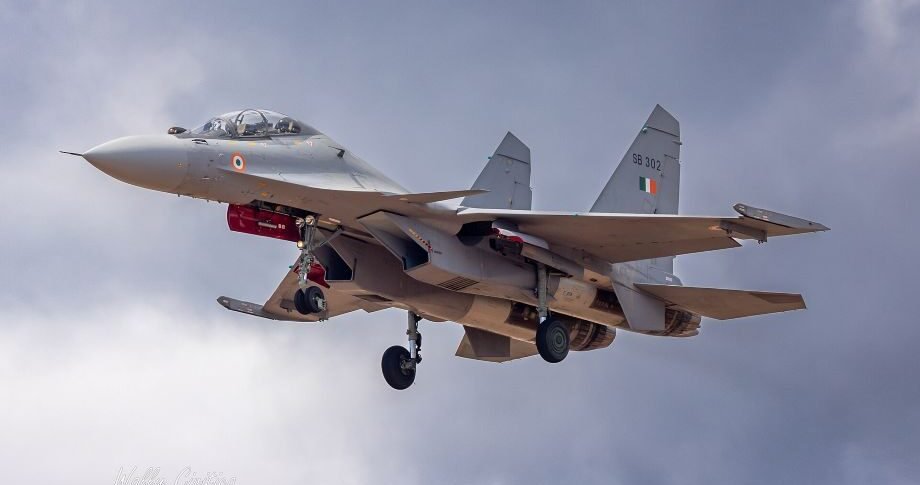
India is looking to reinforce the combat readiness of its Sukhoi Su-30MKI fleet through a major overhaul programme that could extend the operational life of selected aircraft while preparing the platform for additional weapons and systems. The initiative comes as the Indian Air Force continues to rely heavily on the Su-30MKI as one of the main pillars of its frontline fighter force.
Under the proposal, around 40 Su-30MKI aircraft are being considered for an overhaul. The programme is intended to address the condition of aircraft that have accumulated substantial flying hours and ensure that they remain operationally relevant for the coming years. The proposal is expected to require consideration by the Defence Acquisition Council because of the financial implications involved.
The planned work is separate from the larger modernisation effort aimed at creating a significantly upgraded version of the Su-30MKI. The overhaul is primarily focused on maintaining the airworthiness and service life of existing fighters, while the broader upgrade programme is expected to introduce improvements across avionics, sensors, electronic warfare and weapons integration.
The latest development is significant because the Su-30MKI constitutes a major part of the IAF’s combat fleet. Keeping these aircraft available for frontline operations is particularly important while India works to increase its overall fighter strength through new aircraft programmes and indigenous platforms.


Alongside the overhaul proposal, India is also examining ways to increase the Su-30MKI’s long-range air-combat capability. One of the developments under consideration is the integration of the RVV-BD long-range air-to-air missile, which is designed for engagements beyond visual range.
The RVV-BD would provide the fighter with an additional long-range weapon option and could enhance its ability to threaten aerial targets at considerable distances. Such a capability is particularly relevant for missions involving high-value airborne assets, including airborne early-warning and control aircraft, which typically operate away from the immediate frontline.
The potential addition of the missile also fits into India’s broader strategy of improving the long-range engagement capabilities of its fighter fleet. At the same time, the country is developing and expanding the use of indigenous weapons such as the Astra series of air-to-air missiles, giving the IAF a combination of domestic and foreign weapon options.
The Su-30MKI has already demonstrated its versatility as a multirole combat aircraft. In addition to air-to-air missions, the fighter has been adapted for long-range strike operations and can carry several precision weapons. Its integration with the BrahMos supersonic cruise missile has further expanded its role in India’s offensive airpower strategy.
Indian industry is expected to remain closely involved in sustaining and upgrading the fleet. Hindustan Aeronautics Limited (HAL) has extensive experience with the Su-30MKI, having been involved in its licensed production as well as maintenance, repair and overhaul activities. This domestic industrial capability provides India with greater control over the aircraft’s long-term sustainment.
The proposed overhaul therefore represents more than routine maintenance. It forms part of India’s effort to preserve the operational strength of a large existing fighter fleet while gradually introducing new technologies and weapons. Extending the useful life of selected Su-30MKIs can help bridge the capability gap as newer fighter programmes progress.
For the IAF, the combination of fleet overhaul, indigenous systems and new long-range weapons could give the Su-30MKI greater relevance in future air operations. While the aircraft is an older design compared with some of the latest-generation fighters, continued modernisation can significantly improve its effectiveness by upgrading the systems and weapons that determine its battlefield performance.
The developments highlight India’s broader approach to military aviation: maintain and modernise proven platforms while simultaneously expanding the country’s next generation of fighter aircraft and indigenous defence technologies. If approved and implemented, the Su-30MKI overhaul programme could help the IAF retain a strong and capable heavy-fighter fleet during this transition.




Facebook Comments