
China’s J-16 Fighter Tests Heaviest Missile Loadout in ‘Beast Mode’ Configuration
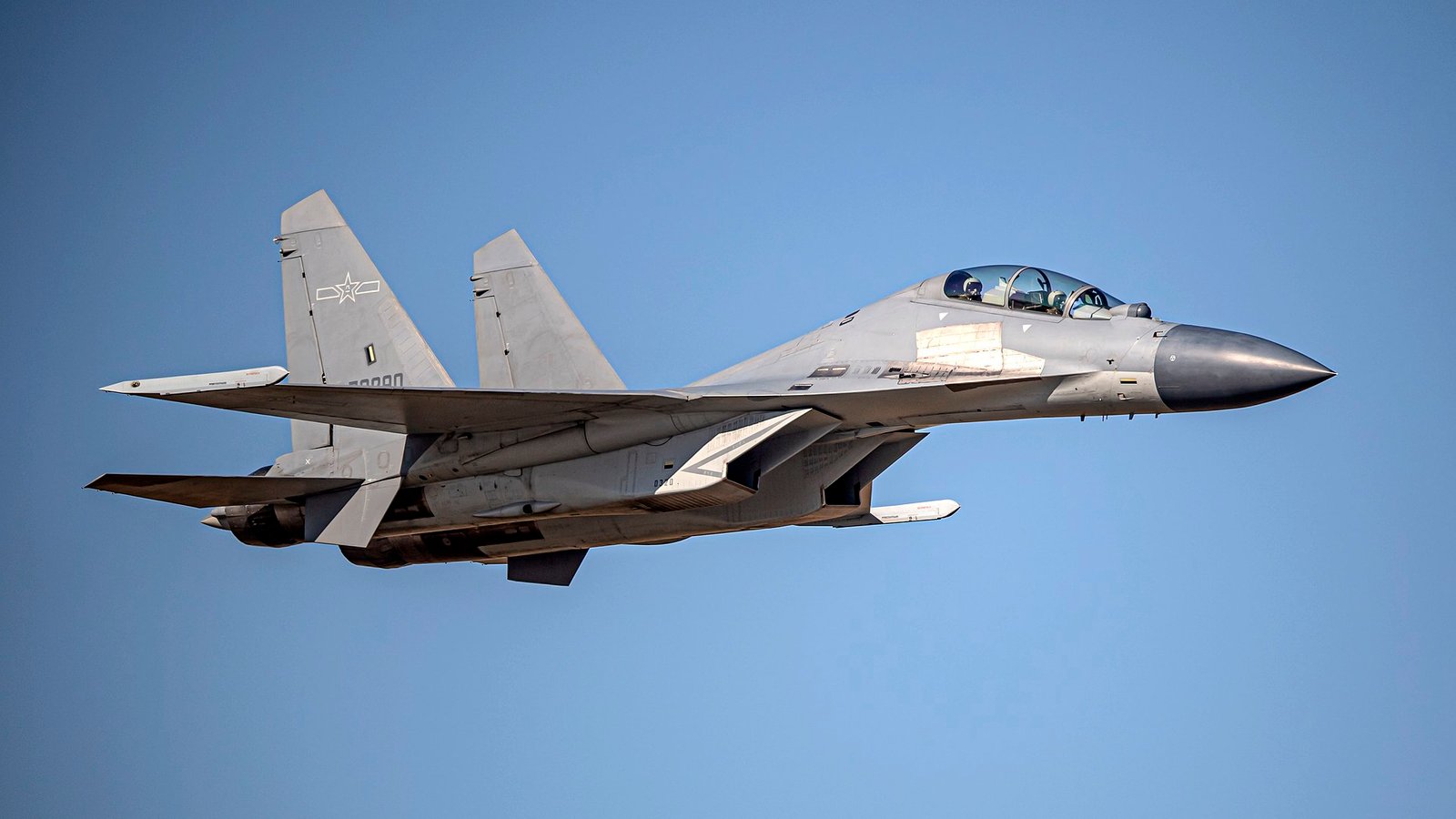
China’s J-16 strike fighter has been configured with its heaviest-ever missile loadout, marking a significant expansion of the platform’s combat payload capacity and operational flexibility in the Asia-Pacific region.
The J-16, a twin-engine, mid-weight multirole combat aircraft derived from Russia’s Su-30MKK airframe, has long been a cornerstone of the People’s Liberation Army Air Force’s strike capability. The latest ‘Beast Mode’ loadout configuration demonstrates Beijing’s continued effort to maximize the aircraft’s carrying capacity and range against regional targets.
The J-16 entered service with the PLAAF in 2013 and has since undergone multiple upgrade cycles. The aircraft typically carries a mix of air-to-air missiles, anti-ship missiles, and precision-guided munitions. Its maximum takeoff weight exceeds 32 tonnes, giving it substantial payload margin compared to lighter single-engine fighters like the JF-17 or F-16.
The introduction of ‘Beast Mode’ loadout variants reflects broader trends in Chinese air force modernization: maximizing strike range, increasing standoff weapon employment, and reducing pilot workload through advanced avionics and sensor fusion. This approach mirrors Indian Air Force experience with the Su-30MKI fleet, where heavy external stores configurations have proven operationally valuable in extended patrol and strike missions over the Indian Ocean.

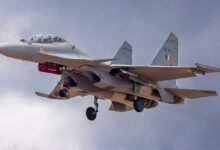
For India’s defence establishment, the J-16’s expanded loadout capability underscores the operational sophistication of Chinese air platforms opposing Indian interests across the Indo-Pacific. The Indian Air Force has countered with its own Su-30MKI and Rafale fleets, both of which have demonstrated comparable or superior combat integration and payload flexibility. The Rafale, in particular, has proven its capability to carry extended weapons mixes including SCALP cruise missiles, Mica air-to-air systems, and precision strike munitions.
India’s domestic programmes, including the Advanced Medium Combat Aircraft (AMCA) under development by Hindustan Aeronautics Limited, are designed to incorporate lessons from current platform experience. The AMCA will prioritize payload modularity and rapid reconfiguration to support varied operational scenarios across maritime and continental theatres.
The J-16’s expanded operational envelope also carries implications for India’s coastal and maritime air defence architecture, reinforcing the case for continued investment in air defence systems, early warning radar networks, and multi-layer interception capabilities across the Indian Navy and Air Force.



Facebook Comments