
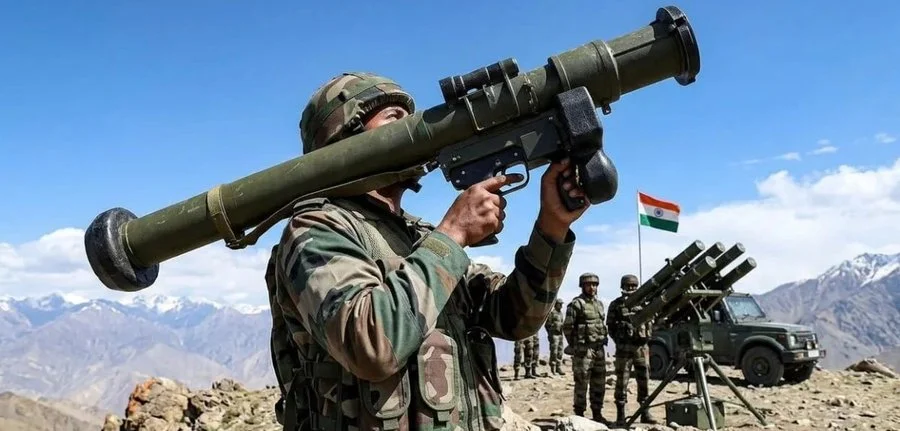
Artificial intelligence is rapidly changing how modern militaries prepare their personnel for combat, with AI-powered battle simulation systems emerging as a powerful tool for enhancing training effectiveness. As armed forces face increasingly complex security challenges, defence organisations are investing in intelligent simulation technologies that allow troops to train in realistic combat environments without the financial and logistical demands of large-scale field exercises.
Unlike conventional military drills that rely on fixed scenarios, AI-enabled simulation platforms create dynamic battlefields where enemy movements, environmental conditions, and mission objectives evolve in real time. The technology analyses every decision made by trainees and immediately adjusts the situation, forcing soldiers and commanders to respond to changing threats just as they would during actual military operations.
These virtual exercises can replicate a broad range of operational environments, including high-altitude warfare, dense urban combat, border security missions, maritime operations, counter-insurgency campaigns, and drone attacks. By exposing troops to multiple scenarios in a controlled setting, military planners can strengthen decision-making, coordination, and situational awareness before personnel are deployed in real-world missions.
One of the major advantages of AI-based training is its ability to generate detailed post-exercise evaluations. Every movement, tactical choice, communication pattern, and response is recorded and analysed, providing instructors with valuable insights into individual and unit performance. This data-driven approach enables customised training programmes that focus on improving operational weaknesses while reinforcing successful battlefield strategies.


Beyond improving combat readiness, AI simulations also offer significant economic benefits. Traditional live-fire exercises require extensive planning, fuel, ammunition, maintenance, transport, and manpower. Virtual training environments reduce many of these recurring expenses while allowing armed forces to conduct frequent, high-quality exercises throughout the year. The result is greater training efficiency without compromising realism.
As defence technologies continue to evolve, artificial intelligence is expected to play an even larger role in military preparedness. Future simulation platforms are likely to integrate autonomous systems, cyber warfare scenarios, electronic warfare, and multi-domain operations into a single digital environment. Defence experts believe this shift will help create faster, smarter, and more adaptable fighting forces capable of responding effectively to the challenges of modern warfare.



Facebook Comments