
Kaiga Nuclear Reactor Restarts Operations After Major Refurbishment
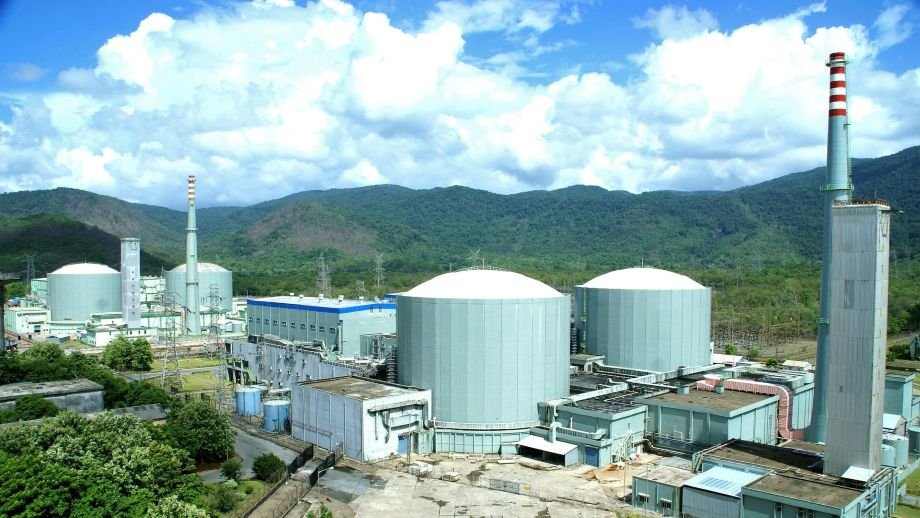
India’s nuclear energy programme has achieved another significant milestone as Unit-1 of the Kaiga Generating Station (KGS) in Karnataka successfully attained criticality again on November 22, 2026. The development marks the return of the 220 MW reactor to the start-up phase following an extensive refurbishment and life-extension programme undertaken to support its continued safe and reliable operation.
The achievement was announced by the Nuclear Power Corporation of India Limited (NPCIL), the government-owned organisation responsible for operating India’s nuclear power stations. According to reports, the reactor reached criticality approximately 600 days after being taken offline for major refurbishment work in April 2025.
Originally commissioned in 2000, Kaiga Unit-1 has played an important role in India’s nuclear electricity generation programme. The reactor first achieved criticality on September 26, 2000, and subsequently established an international reputation for operational reliability. Before its refurbishment shutdown, the unit had generated tens of thousands of million units of electricity during its operating life.
One of its most notable achievements came on December 31, 2018, when the reactor completed 962 consecutive days of uninterrupted operation. During this period, it maintained a plant load factor of 99.3 per cent, setting a world record for continuous operation by a pressurised heavy water reactor (PHWR) at the time. This achievement demonstrated the operational capabilities of India’s indigenous nuclear reactor technology.
The latest milestone follows two major refurbishment activities: En-Masse Coolant Channel Replacement (EMCCR) and En-Masse Feeder Replacement (EMFR). These technically demanding procedures involve replacing critical reactor components to support the continued operation of the plant. Such modernisation work is an important part of extending the service life of nuclear power facilities while maintaining the required operational and safety standards.
NPCIL highlighted that achieving criticality within approximately 600 days of the refurbishment shutdown represents a significant accomplishment. The organisation also recognised the technical expertise, coordinated efforts and dedication of the teams involved in completing the complex engineering work.
Criticality is an important stage in a nuclear reactor’s start-up process. It occurs when the reactor establishes a controlled, self-sustaining nuclear fission chain reaction. Following this milestone, the unit must progress through the necessary start-up, testing and regulatory procedures before returning to regular electricity generation.
The Kaiga Generating Station currently comprises four 220 MW pressurised heavy water reactor units, giving the facility a combined installed capacity of 880 MW. In addition, Units 5 and 6 are under development. Each of these upcoming reactors is designed to generate 700 MW, adding another 1,400 MW to the station’s capacity once completed.
The expansion reflects India’s broader efforts to strengthen domestic nuclear technology, improve long-term energy security and increase the availability of reliable, low-carbon electricity. The upcoming reactors also demonstrate the country’s continued investment in indigenous engineering, manufacturing and construction capabilities.
The successful return of Kaiga Unit-1 to criticality is therefore more than an operational achievement. It highlights the importance of maintaining existing nuclear infrastructure while expanding future generation capacity. With its refurbishment programme completed and the reactor entering the next stage of start-up, Kaiga Unit-1 represents another important step in India’s evolving nuclear energy journey.



Facebook Comments