
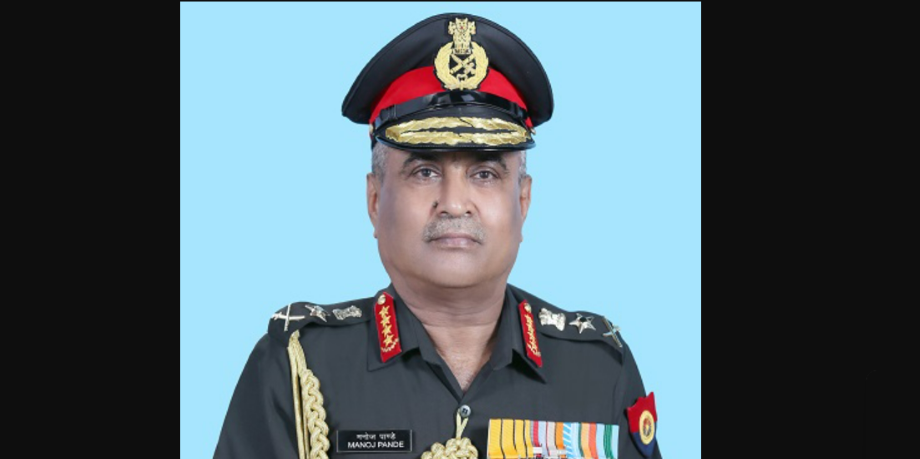
India’s defence manufacturing sector is entering a new phase, with increasing emphasis on developing indigenous technologies rather than simply assembling equipment designed elsewhere. Former Chief of the Army Staff General Manoj Pande has highlighted the need for India to strengthen its ownership of critical defence technologies, intellectual property (IP) and essential subsystems to achieve genuine technological self-reliance.
Speaking at the first stakeholders’ meeting of the ASSOCHAM Maharashtra Aerospace and Defence Council, General Pande underlined the changing priorities of the Indian defence industry. He explained that domestic manufacturing alone cannot guarantee strategic independence if important technologies and intellectual property continue to remain under foreign ownership. The next stage of India’s defence growth, therefore, must focus on developing original technologies and strengthening domestic design capabilities.
General Pande described this changing approach as a transition from ‘Make in India’ towards ‘Owned by India’. He emphasised that receiving technology transfers from foreign companies and assembling equipment within the country is not sufficient in the long term. Indian companies must develop their own technological expertise, intellectual property and critical subsystems to gain greater control over defence production and future upgrades.
The ASSOCHAM meeting brought together representatives from the aerospace and defence industries, policymakers and other stakeholders to discuss opportunities for strengthening India’s domestic industrial ecosystem. Industry leaders also highlighted the rapid expansion of the sector, with domestic defence industry output reaching approximately ₹1.8 lakh crore in the previous financial year, according to remarks made during the meeting.

Milind Hardikar, Chairman of the ASSOCHAM Maharashtra State Council, stressed that the future competitiveness of the aerospace and defence sector would depend on its ability to design, develop, manufacture and continuously upgrade advanced systems. Similarly, ASSOCHAM Secretary General Saurabh Sanyal highlighted the importance of indigenous design, technology development, manufacturing innovation and export growth.
Maharashtra was identified as an important contributor to these ambitions because of its established industrial base, engineering capabilities, aerospace and automotive ecosystem, MSME network and research institutions. Participants discussed opportunities in specialised materials, submarine components, stealth technologies, aerospace engineering, maintenance, repair and overhaul services, and advanced manufacturing.
However, industry representatives also highlighted several challenges that could slow the development of indigenous defence technologies. These include high manufacturing costs, delayed payments, working-capital requirements, limited flexibility for design changes and difficulties in accessing institutional finance. The availability of skilled professionals and the need for stronger coordination between defence companies, armed forces and government agencies were also discussed.
One significant proposal from the meeting was the establishment of a dedicated testing, validation and experimentation facility in Maharashtra. Such a technology sandbox could provide companies, startups and innovators with an environment to evaluate new defence technologies before moving towards wider deployment. Participants also discussed involving financial institutions more actively to improve funding opportunities for businesses operating in the sector.
The council is expected to consolidate its priorities and finalise its proposed charter and working-group structure by March 2027, with implementation activities scheduled to begin in April 2027.
The discussions reflect a broader change in India’s defence industrial ambitions. While domestic production remains important, long-term self-reliance will increasingly depend on indigenous research, original engineering, technology ownership and the ability to upgrade complex military systems independently. Strengthening these capabilities could help Indian defence companies become more competitive internationally while reducing dependence on external suppliers for critical technologies.


Facebook Comments