
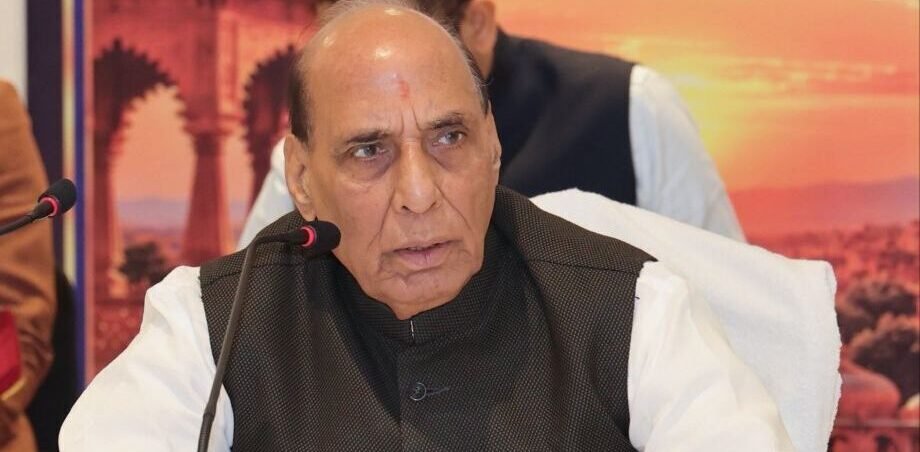
India is calling for a more comprehensive approach to maritime security as emerging threats increasingly extend beyond conventional naval challenges. Defence Minister Rajnath Singh has emphasised the need to strengthen protection for critical maritime infrastructure, including commercial ports, undersea communication cables and offshore energy installations, while addressing the Indo-Pacific Regional Dialogue (IPRD) 2026 in New Delhi on November 4.
Singh highlighted that maritime security can no longer be limited to safeguarding international shipping routes. The growing importance of ocean-based infrastructure to global trade, communication and energy supplies requires countries to develop stronger monitoring systems and coordinated security arrangements. Undersea fibre-optic cables, in particular, have become essential to international digital connectivity, making their protection an important part of maritime security planning.
The Defence Minister also drew attention to the changing nature of threats across the maritime domain. Alongside conventional military activities, challenges such as piracy, human trafficking, illegal fishing, cyberattacks and natural disasters are creating additional risks for maritime nations. These developments underline the importance of improved maritime awareness, information-sharing and effective coordination among regional partners.
The security of offshore energy facilities and major ports is equally important for maintaining economic stability and uninterrupted supply chains. Disruptions to these assets could affect commercial operations, energy availability and the movement of essential goods. Singh’s remarks highlighted the need for a broader security architecture capable of addressing both traditional and emerging vulnerabilities.

India’s position also reflects its wider commitment to maintaining a free, open, inclusive and rules-based maritime order across the Indian Ocean Region and the Indo-Pacific. Strengthening cooperation between regional countries, improving surveillance capabilities and making maritime infrastructure more resilient remain important priorities as strategic competition and security challenges continue to evolve.
The discussions at IPRD 2026 also highlighted the growing role of modern technologies in maritime security. Advanced surveillance systems, data-sharing mechanisms, scientific research and technological cooperation can help countries improve their understanding of activities at sea and respond more effectively to emerging challenges. Greater collaboration in these areas is particularly important for developing maritime nations that may have limited technological and research capabilities.
The three-day Indo-Pacific Regional Dialogue 2026 commenced on November 3 and is being organised by the Indian Navy in association with the National Maritime Foundation. The conference provides a platform for policymakers, naval experts and strategic representatives to discuss regional maritime challenges, security cooperation and the future of the Indo-Pacific maritime environment.
Through its emphasis on critical infrastructure protection and stronger regional partnerships, India’s approach highlights the need to treat maritime security as a shared responsibility. Protecting shipping lanes, underwater networks, ports and offshore installations will be essential to safeguarding economic connectivity and maintaining stability across the wider Indo-Pacific region.



Facebook Comments