
Indian Army Strengthens Drone Security With New AASHVAST Electronic Testing Facility
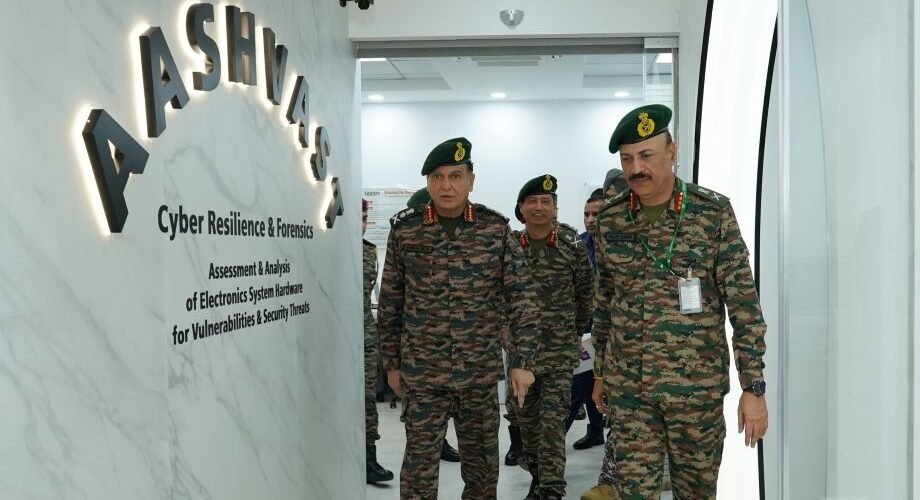
The Indian Army has expanded its ability to scrutinise the electronic systems used in military equipment with the introduction of the AASHVAST facility, a specialised laboratory focused on identifying vulnerabilities in hardware, software and firmware. The initiative is aimed at strengthening the security of digitally controlled defence systems at a time when drones and other unmanned platforms are becoming increasingly important in military operations.
AASHVAST, which stands for Assessment and Analysis of Electronic Systems Hardware for Vulnerabilities and Security Threats, has been established under the Directorate General of Electronics and Mechanical Engineers (DG EME) in Delhi Cantonment. The facility provides the Army with an indigenous capability to examine electronic systems and determine whether their components and underlying software meet required security standards.
The laboratory is particularly significant for unmanned aerial systems, including military drones. Such platforms rely on a combination of flight-control computers, communication equipment, cameras, navigation systems and software. A vulnerability in any of these elements could potentially affect the reliability or security of the complete system. AASHVAST is intended to help identify such weaknesses through detailed technical examination.
Unlike a conventional inspection that primarily focuses on physical components, the facility can also analyse the software and firmware embedded within electronic equipment. This allows specialists to investigate the digital functions of components and look for elements that may not be immediately visible during a normal equipment inspection.


The testing process can help detect unauthorised software features, embedded credentials, suspicious access mechanisms and other potential weaknesses. The facility can also assist in determining the origin and configuration of electronic components used in sensitive military equipment. This capability is important for reducing technology and supply-chain risks associated with defence systems sourced from multiple vendors.
Drone technology has become an increasingly important part of modern warfare, with unmanned platforms being used for surveillance, reconnaissance, targeting and battlefield awareness. Their dependence on navigation, communications and software makes electronic security an essential part of their operational effectiveness.
Navigation systems are another area where electronic vulnerabilities can create serious operational challenges. Technologies such as GPS can be affected by jamming or spoofing, potentially disrupting the movement or positioning of an unmanned platform. Detailed testing of the electronics and software architecture can help identify weaknesses and improve the resilience of systems operating in contested environments.
The Army’s move also reflects the changing nature of defence procurement and equipment evaluation. Modern military platforms contain increasingly sophisticated digital components, meaning that assessing a weapon system’s physical performance alone may not provide a complete picture of its security. Software integrity, firmware configuration and the origin of critical electronic components are becoming equally important considerations.
The AASHVAST facility was inaugurated by Chief of the Army Staff General Dhiraj Seth on August 14, 2026. Its establishment forms part of the Army’s broader effort to improve technological preparedness, strengthen cyber resilience and develop greater confidence in the electronic systems deployed by its formations.
The initiative could also contribute to India’s wider push for greater self-reliance in defence technology. Developing domestic testing and evaluation capabilities reduces dependence on external facilities for sensitive security assessments and allows potential vulnerabilities to be examined within India’s own defence ecosystem.
As the role of drones and networked military systems continues to expand, securing the electronic foundations of these platforms will remain a major operational priority. Through AASHVAST, the Indian Army is building a dedicated capability to examine these systems more closely and identify potential risks before they can become operational problems.




Facebook Comments