
INS Nipun Set for August 31 Commissioning as Indian Navy’s Second Diving Support Vessel
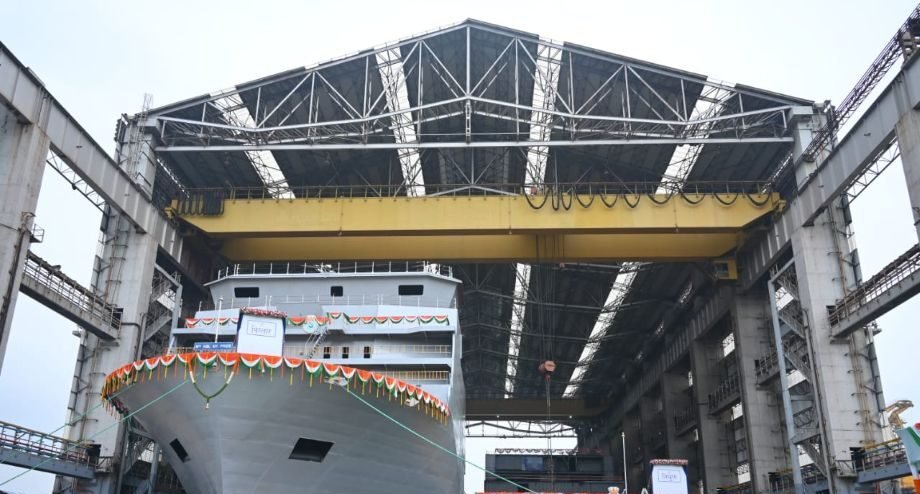
The Indian Navy will commission INS Nipun, the second of the indigenously designed Nistar-class diving support vessels, on August 31 at Visakhapatnam. The vessel was delivered to the Navy by Hindustan Shipyard Limited, completing a critical modernisation step for India’s submarine rescue and deep-sea diving capabilities in the Indo-Pacific.
INS Nipun follows her sister ship INS Nistar. Named after the Sanskrit word meaning “adept” and “well-versed,” Nipun represents India’s mature indigenous shipbuilding capability in a specialist maritime domain previously dependent on leased foreign vessels. The Navy will base the ship at Visakhapatnam under the Eastern Naval Command.
The vessel is equipped with state-of-the-art diving systems including Remotely Operated Vehicles, Self-Propelled Hyperbaric Life Boats, and multi-person decompression chambers. Nipun can conduct deep-sea saturation diving operations to significant depths and will serve as the mothership for the Deep Submergence Rescue Vehicle, a critical capability for submarine emergency response.
The Nistar-class project achieved approximately 80 per cent indigenous content, representing a major milestone in India’s Make in India defence shipbuilding strategy. Hindustan Shipyard designed the vessels to international standards under the Indian Register of Shipping rules, incorporating design consultancy similar to INS Dhruv, another HSL specialty vessel. The ships are self-sustaining platforms capable of extended endurance without replenishment.
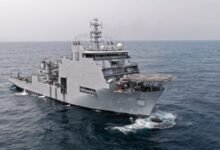
Prior to the induction of INS Nistar, the Indian Navy relied on commercially leased vessels such as SCI Sabarmati for diving and submarine rescue missions. The original INS Nistar, acquired from the Soviet Navy in 1969, operated until 1989, leaving a gap of over three decades in organic diving support capability. The new class closes this operational vulnerability at a time when submarine operations have become central to India’s maritime strategy in the Indo-Pacific.
The dual vessels enable the Navy to maintain persistent diving and rescue readiness across the Eastern and Western seaboards. INS Nistar demonstrated this operational capability when she deployed the Submarine Rescue Unit to Exercise Pacific Reach, while both vessels have showcased their Deep Submergence Rescue Vehicle capabilities to foreign naval delegations at major maritime events in Visakhapatnam.



Facebook Comments