
Indian Army Set to Induct First 4,000 MKU NW-3000 Night Vision Sights by Late 2026
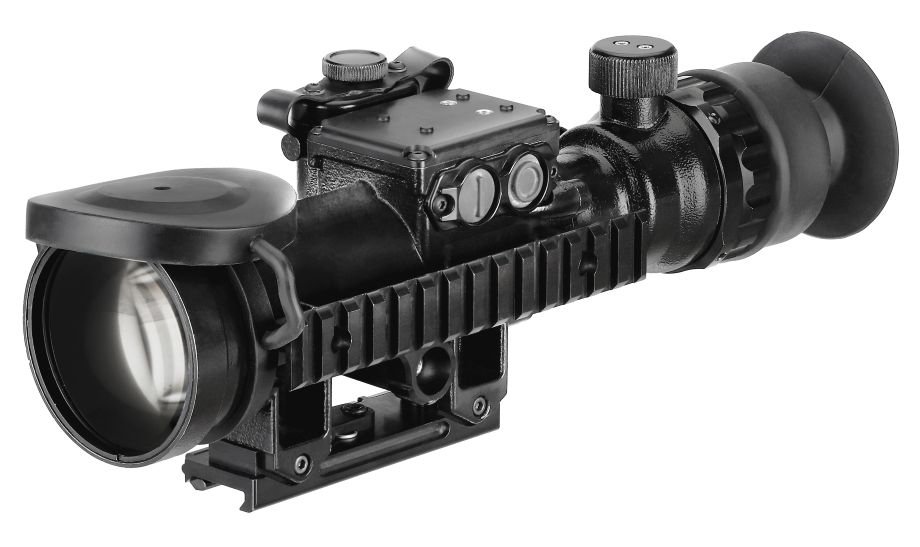
The Indian Army will receive its first consignment of 4,000 MKU NW-3000 night vision sights by the end of 2026, marking a significant step in the modernisation of infantry soldier capabilities across the service.
The NW-3000 is a second-generation image intensifier night vision sight designed and manufactured by MKU Limited, a Bangalore-based defence manufacturer specialising in protective gear and electro-optical systems. The sight represents India’s push toward indigenous development of soldier-level optics to reduce dependence on imports.
Second-generation image intensifier technology amplifies ambient light from stars, moon, and distant artificial sources to enable visibility in near-total darkness. The NW-3000 offers effective range coverage suitable for squad and section-level tactical operations across varied terrain including high-altitude areas. The sight is mounted on standard 20mm Picatinny rails, compatible with the INSAS rifle platform and other service rifles in use by the Indian Army.
This procurement reflects the Army’s broader effort to equip frontline infantry with modern fire control systems. Night vision capability remains critical for operations in disputed border areas, counterinsurgency in forested terrain, and coastal defence scenarios where darkness provides tactical advantage to adversaries.


MKU’s entry into the night vision sight market represents a consolidation of India’s optics-manufacturing base. The company has previously supplied body armour systems and ballistic protection equipment to the Armed Forces and Central Armed Police Forces. The NW-3000 development signals growing maturity in India’s domestic optics industry, traditionally dominated by imported systems from allied nations.
The 4,000-unit order over the next two years will equip multiple infantry battalions and provide a baseline for large-scale rollout across the Army’s ground combat formations. Subsequent tranches are expected as the service evaluates operational performance and feedback from field units.
The delivery schedule aligns with the Army’s broader force modernisation roadmap, which prioritises soldier-centric technology upgrades. These include thermal weapon sights, advanced communication systems, and lightweight body armour. Night vision sights are foundational to night fighting capability, particularly in high-altitude operations where extended visibility windows during winter months make night vision systems operationally invaluable.
India’s defence procurement policy incentivises domestic manufacturing of critical technologies to reduce foreign exchange outgo and build long-term self-sufficiency. The NW-3000 procurement demonstrates this principle in practice, with a domestic manufacturer supplying a soldier-level system that was previously available only through foreign sourcing.




Facebook Comments