
India-US Trade Deal Delayed by Section 301 Review, Signing Expected in 3-4 Months
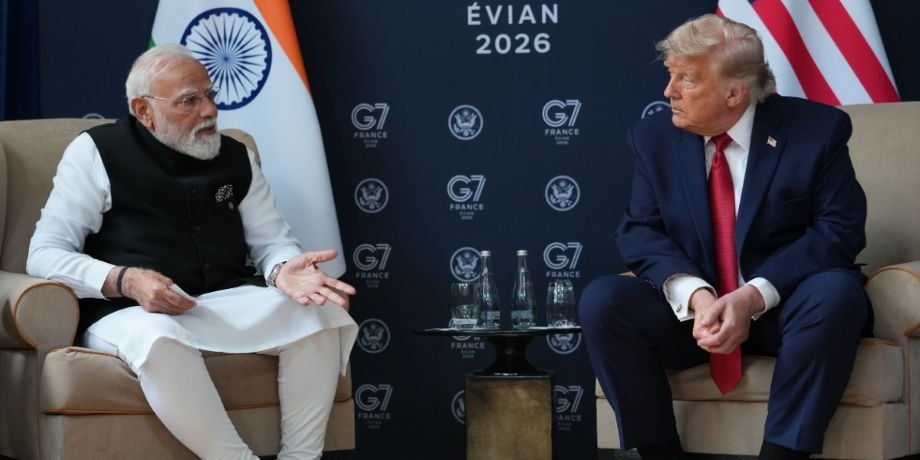
A US official has indicated that the long-awaited India-US comprehensive trade agreement will be signed within the next three to four months, though the timeline has slipped due to ongoing Section 301 investigations into Indian trade practices, according to reports.
The delay underscores the complexity of bilateral trade negotiations between the world’s largest and fifth-largest economies, each with competing economic interests and regulatory frameworks. Section 301 of the US Trade Act empowers Washington to investigate foreign trade practices deemed unfair and impose retaliatory tariffs, a mechanism that has been applied to multiple trading partners in recent years.
India and the United States have been negotiating a comprehensive trade agreement for over two years. The negotiations cover goods, services, intellectual property, and digital trade, with particular sensitivity around pharmaceutical pricing, agricultural tariffs, and e-commerce regulation. Defence trade has been a parallel track, with India pursuing purchases of US military systems including armed drones and advanced electronics.
The Section 301 investigations likely focus on Indian tariff structures, local content requirements in government procurement, and data localisation policies that have become contentious in US-India economic relations. These mechanisms, while designed to protect Indian industry and digital sovereignty, are viewed by American exporters and tech companies as non-tariff barriers to market access.


India’s trade posture reflects a broader developmental strategy prioritising domestic manufacturing and self-reliance. Make in India initiatives have encouraged foreign defence contractors to establish local production, while data localisation rules protect domestic IT and fintech sectors from being dominated by foreign platforms. The government has also implemented local content preferences in defence procurement, aligning with the broader Atmanirbhar Bharat (self-reliant India) initiative.
The three to four month timeline suggests that negotiators expect the Section 301 review to conclude with a framework for resolution, allowing the larger trade agreement to move to signature. Previous bilateral trade agreements between India and the US, including the Trade and Investment Framework Agreement (TIFA) and sector-specific pacts, have typically required 18-24 months of negotiation from formal launch to completion.
A comprehensive trade deal would streamline procurement procedures, reduce tariff barriers on select sectors, and potentially unlock defence technology transfers in areas such as semiconductor manufacturing and advanced aerospace components. Both nations have emphasised defence industrial cooperation as a cornerstone of their broader strategic partnership, with India increasingly integrated into US supply chains for military-grade electronics and components.
The agreement is also expected to address mutual concerns around counterfeiting and intellectual property enforcement, areas where Indian generic pharmaceutical manufacturers have faced recurring scrutiny from US patent holders. Resolution of these issues is critical for both industrial and defence cooperation to expand further.




Facebook Comments