
US-Saudi Nuclear Cooperation Deal: What It Means for India’s Strategic Positioning
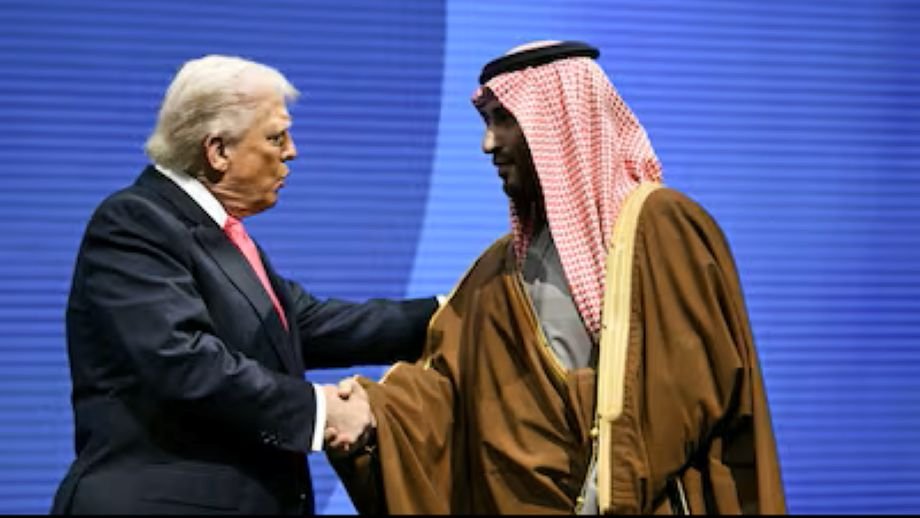
The United States and Saudi Arabia have announced a multi-billion-dollar nuclear cooperation agreement, marking a significant expansion of their strategic partnership in the Middle East and signalling Washington’s deepening commitment to the region amid broader geopolitical competition.
The nuclear cooperation framework between the two nations covers civilian nuclear technology, power generation, and related infrastructure development. Such agreements typically involve technology transfer, uranium supply chains, and training in nuclear safety and security protocols, underpinned by strict non-proliferation safeguards.
For India, this development carries both immediate and long-term strategic implications. India has long pursued its own civilian nuclear programme under international safeguards, balancing energy security with non-proliferation commitments. The US-Saudi agreement reflects Washington’s strategy of reinforcing partnerships with key regional allies through advanced technology access.
India’s nuclear energy landscape has evolved through international civilian nuclear cooperation, opening access to advanced nuclear technology and fuel supplies after decades of restrictions. Today, India operates 23 operational nuclear reactors and has ambitious targets to increase nuclear capacity to 22.5 GW by 2032, up from the current 6.8 GW. The US remains a critical partner in this expansion, with American technology and fuel underpinning several planned reactor projects.


The Saudi move underscores a broader pattern of US nuclear cooperation extending beyond traditional Cold War allies. It reflects Washington’s recognition that civilian nuclear power is critical infrastructure for energy-secure, economically competitive partners in regions of strategic interest. This mirrors India’s own approach of positioning nuclear energy as essential to meeting rising electricity demand while pursuing climate commitments.
India’s nuclear programme has historically operated under international restrictions before gaining broader access to global nuclear markets through civilian cooperation agreements. India’s Department of Atomic Energy and the Nuclear Power Corporation of India Limited have since pursued partnerships with France, Russia, and Kazakhstan to diversify fuel and technology sources.
The US-Saudi cooperation also reflects American strategy to counter Chinese and Russian influence in the Middle East through technology partnerships. India faces similar competition in its own region and globally, where Chinese nuclear vendors have aggressively pursued contracts in Asia, Africa, and Southeast Asia. India’s own capacity to export nuclear technology remains limited, constraining its strategic leverage in developing nations.
Saudi Arabia’s entry into formal nuclear cooperation with the US may accelerate discussions about non-proliferation frameworks in the Gulf, where regional rivalries and security concerns have historically complicated multilateral nuclear safety standards. India, as a responsible nuclear power outside the Non-Proliferation Treaty, watches such developments closely to understand evolving international norms on civilian nuclear technology transfer and safeguards.



Facebook Comments