
Homegrown Fighter Engines: Why India’s Engine Ambitions Go Beyond Cost
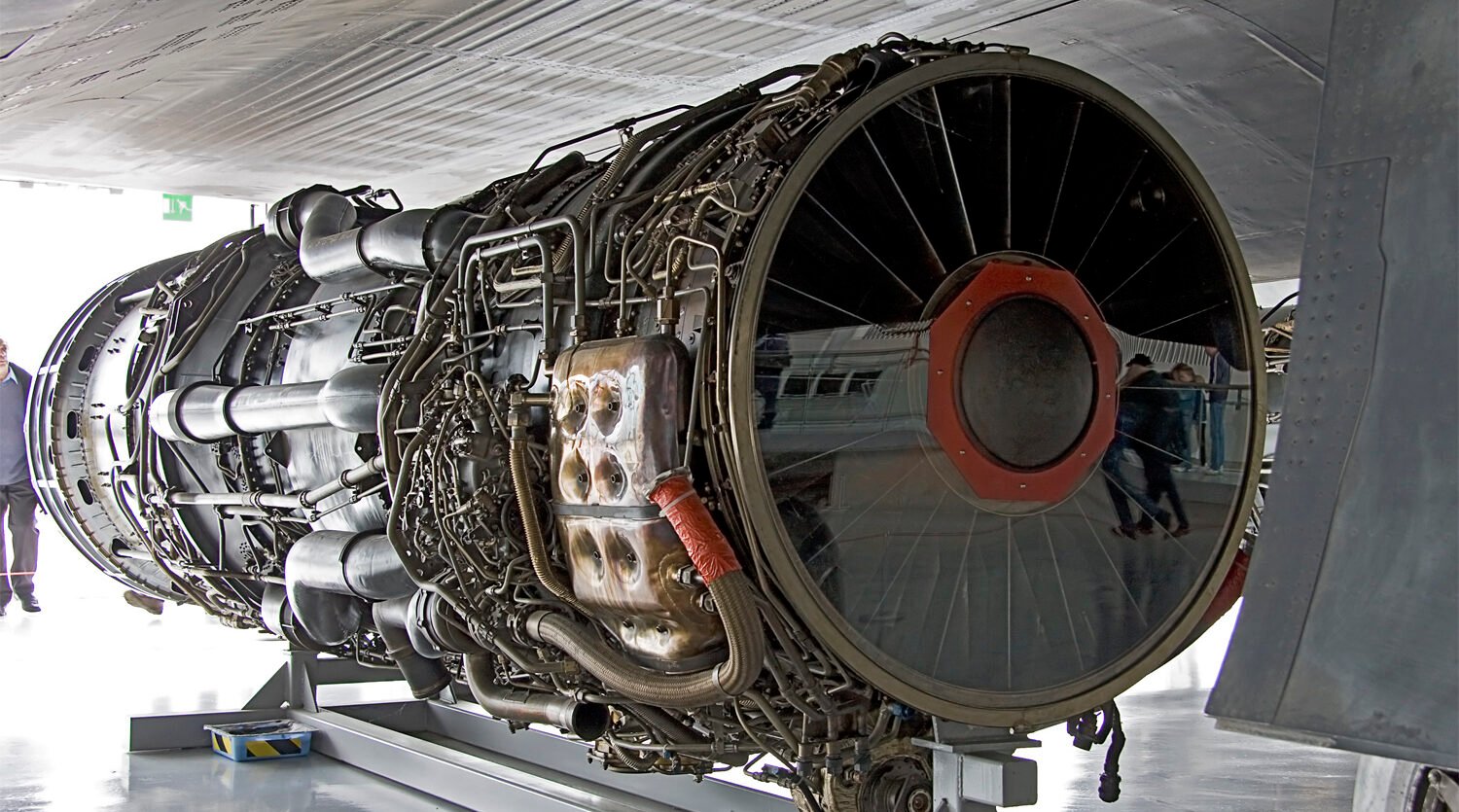
India’s pursuit of indigenous fighter jet engines reflects a strategic imperative that transcends procurement economics: the need for operational autonomy, technological sovereignty, and uninterrupted supply chains in a contested Indo-Pacific.
The headline’s framing captures a pivotal shift in how New Delhi evaluates defence self-reliance. Building engines domestically is not primarily a cost-saving exercise; it is about breaking dependence on foreign Original Equipment Manufacturers for spares, upgrades, and tactical decisions that directly affect combat readiness.
India’s fighter fleet has long relied on imported engines. The HAL Tejas, India’s light combat aircraft, initially flew with General Electric F404 turbofans sourced from the United States. While this enabled the Tejas programme to advance, it created a vulnerability: any geopolitical tension, sanctions regime, or supply disruption could ground critical air assets.
DRDO and Hindustan Aeronautics Limited are developing the Kaveri engine programme, a medium-thrust turbofan intended for next-generation fighter applications. The Kaveri represents decades of investment in compressor blade technology, combustor design, and high-temperature materials research. Early variants powered the Technology Demonstrator Aircraft (TDA) and proved core engine concepts in flight.


The strategic logic is straightforward: a nation that manufactures its own engines controls its own air power narrative. Upgrade cycles, maintenance protocols, operational limits, and performance enhancements become decisions made in Delhi, not dictated by a foreign supplier’s commercial interests or foreign policy priorities.
This principle has shaped India’s approach across platforms. The INS Arihant submarine carried indigenously developed pressurised water reactors. The Akash and Brahmos missile programmes were built on domestic missile design and production capabilities. Each decision to develop homegrown systems reflects a doctrine: critical systems must be made in India.
The financial argument, while secondary, is nonetheless real. Imported engines come with long-term maintenance contracts, licensing fees, and currency exposure. Over a 30-year fighter fleet lifecycle, indigenous production enables steady-state manufacturing expertise, jobs, and a domestic supply chain that multiplies across allied industries.
India’s defence industrial base is also maturing. Private sector participation has expanded: Hindustan Aeronautics works alongside component suppliers and research institutions. The ecosystem required for engine production, from precision casting to bearing manufacture, is increasingly resident in India.
The international comparison is instructive. China invested heavily in turbofan development; today, the WS-10 and WS-15 engines power domestic fighter fleets. Russia has never depended on foreign engines for tactical aircraft. By contrast, India’s reliance on imports has historically constrained force modernisation timelines and operational flexibility.
Engine development is a decades-long commitment with high technical risk. Yet the strategic payoff, measured in operational autonomy and technological independence, justifies the investment far more than any balance-sheet calculation ever could.



Facebook Comments