
10 Indian Defence Firms Bid for IAF’s Rs 30,000 Crore Medium-Altitude UAV Deal
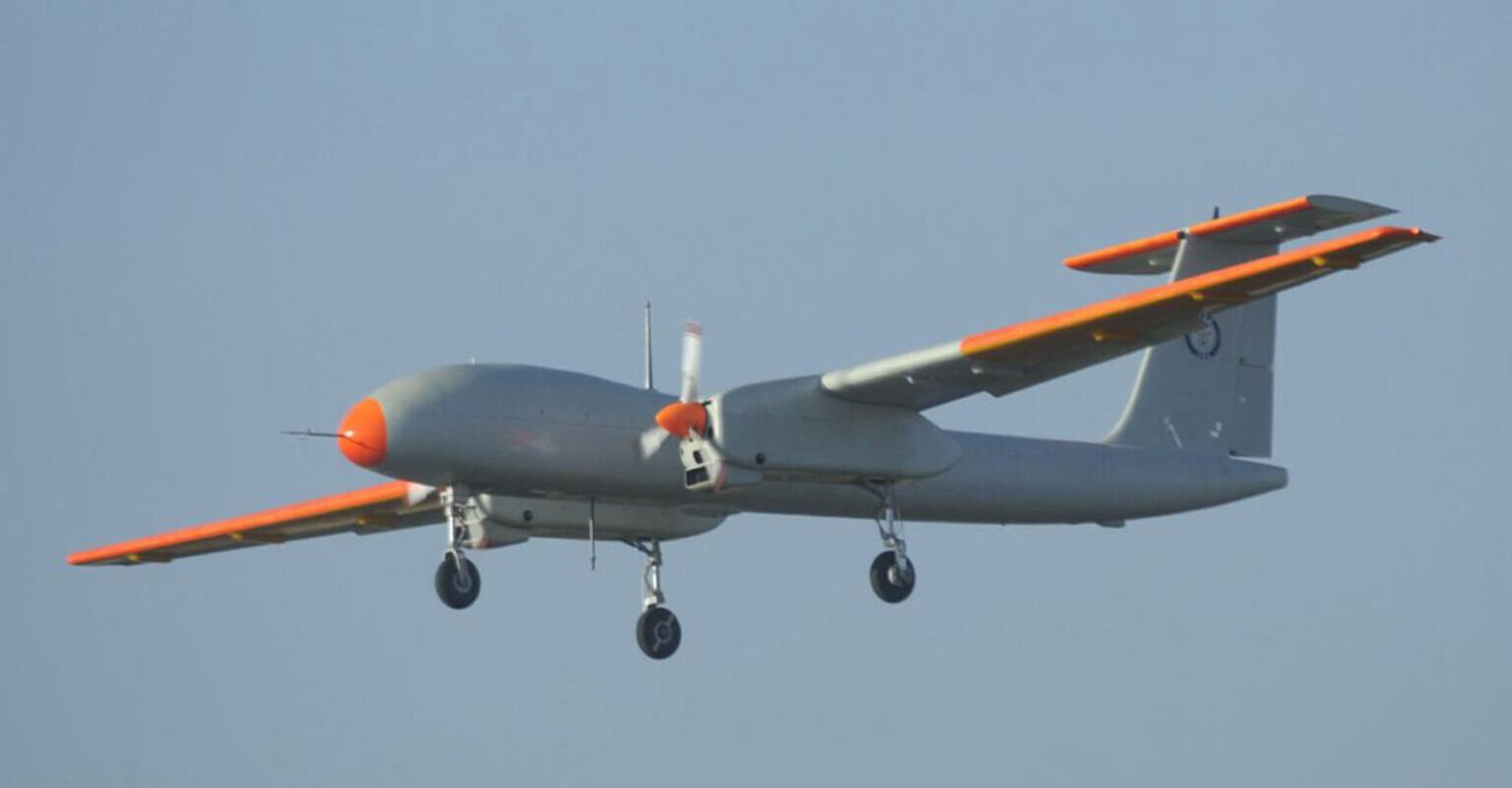
Ten Indian defence manufacturers have submitted bids for the Indian Air Force’s Rs 30,000 crore procurement of medium-altitude unmanned aerial vehicles, signalling strong domestic industry participation in one of the country’s largest drone acquisition programmes.
The competition reflects growing capability among Indian defence firms in autonomous systems and reflects the IAF’s accelerated push to induct indigenous or Indian-partnered UAV platforms across its operational command structure.
The medium-altitude category of UAVs fills a critical operational niche between hand-launched tactical drones and high-altitude long-endurance platforms. These systems typically operate at altitudes between 10,000 and 25,000 feet, carry electro-optical and synthetic aperture radar sensors, and can loiter for extended periods. In the IAF’s tactical and operational doctrine, such UAVs are essential for sustained intelligence, surveillance and reconnaissance over contested or denied airspace, providing near-real-time battle management information to ground and air formations.
India’s approach to UAV procurement has evolved significantly over the past decade. The IAF operates the Israeli-origin Heron and Searcher platforms acquired in the 2000s, but New Delhi has consistently prioritised indigenous development under DRDO stewardship and private sector participation to reduce dependence on foreign supply chains and establish domestic expertise in autonomous systems and sensor integration.


Domestic contenders are likely to include established aerospace firms and DRDO’s own programmes. The private sector has expanded its footprint in UAV design, with companies demonstrating indigenous platforms for surveillance and target acquisition missions. Competition from international vendors, including potential partnerships with Western or Russian manufacturers, typically features in such large-value tenders, though the Rs 30,000 crore envelope and India’s Make in India mandate favour domestic-led solutions.
The procurement timeline and technical evaluation criteria will influence whether successful bidders leverage purely indigenous systems or technology-transfer partnerships with foreign OEMs. Delivery schedules are critical, as the IAF has articulated urgency in enhancing its ISR fleet amid heightened operational requirements along northern and western borders.
This tender underscores New Delhi’s broader defence industrial policy to build self-reliance in strategic weapon systems. UAVs, increasingly central to modern air power, represent a domain where Indian industry can establish global competitiveness while meeting domestic operational demand. Successful execution of this contract will set precedent for future autonomous systems acquisitions across the services.




Facebook Comments