India is facing growing concerns over the safety of its citizens working in conflict-affected maritime zones, with 28 Indian nationals reported dead in separate incidents across West Asia and the Black Sea region. The Ministry of External Affairs (MEA) has confirmed 23 deaths connected to the West Asia conflict, including 15 seafarers, while five additional Indian nationals have been killed in attacks involving commercial shipping in the Black Sea. Two Indians remain missing in the latter region.
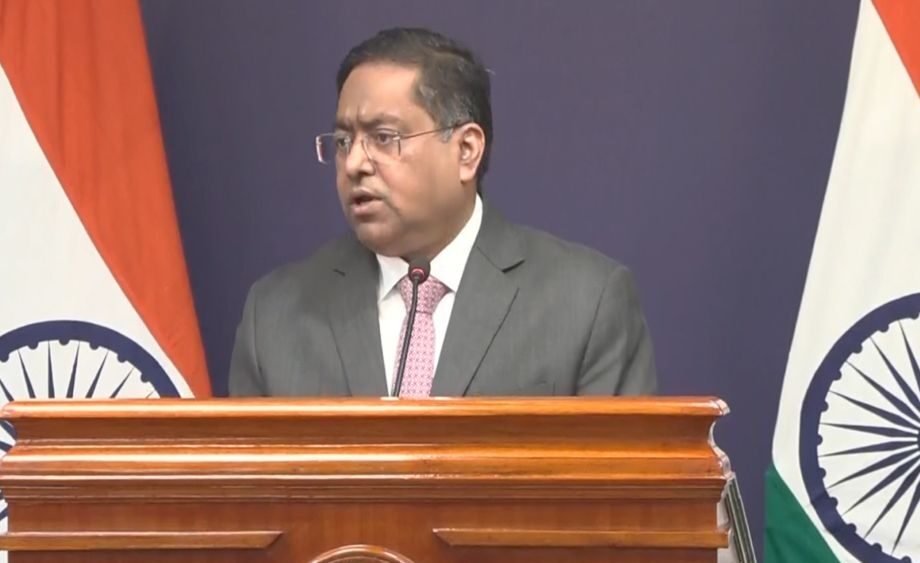
The latest figures were shared by MEA spokesperson Randhir Jaiswal during a media briefing in New Delhi on November 3, 2026. He said the West Asia conflict had claimed the lives of 23 Indian nationals, with maritime personnel accounting for a significant proportion of the casualties. The government also provided an update on the separate incidents affecting Indian crew members aboard commercial vessels operating in the Black Sea.
The West Asia death toll increased following a deadly incident involving the Indian-flagged commercial vessel MSV AL JUSUFI near Limah, off the coast of Oman. The vessel was attacked on November 2 while carrying 14 Indian crew members. The incident resulted in the death of one sailor, while the other 13 crew members were successfully rescued by Omani Coast Guard personnel.
The deceased crew member was identified as Gandhar Nahim Ajij, a resident of Gujarat. His death brought the total number of Indian fatalities associated with the West Asia conflict to 23 and the number of deceased Indian seafarers to 15. The incident has renewed concerns about the exposure of merchant shipping personnel to attacks in strategically important waterways.
Following the attack, Indian authorities initiated coordination with Oman to support the rescued crew and arrange the return of the deceased sailor’s remains. The Indian Embassy in Muscat is working with Omani officials to facilitate the repatriation of all 13 surviving crew members. The MEA also conveyed its appreciation to Oman for the assistance provided during the rescue operation.
India has separately confirmed five deaths among its nationals in attacks on commercial vessels in the Black Sea. Two other Indian nationals are still unaccounted for. The government is treating these incidents separately from the West Asia casualty figures, as they involve a different conflict-affected maritime region.
The incidents have placed the security of Indian seafarers and merchant shipping operations under increased scrutiny. Indian nationals serve aboard commercial vessels operating on major international trade routes, including areas exposed to military tensions and maritime security threats. Attacks on these vessels can endanger civilian crews and disrupt the movement of essential goods and energy supplies.
New Delhi has called for restraint among the parties involved in the regional hostilities and emphasised the need to resolve disputes through dialogue and diplomacy. The MEA has maintained that commercial vessels and civilian infrastructure must be protected from attacks. It has also underlined the importance of ensuring freedom of navigation through international waterways in accordance with international law.
The safety of Indian nationals remains a key concern for the government, particularly given India’s extensive economic, energy and people-to-people connections with West Asia. Disruptions to shipping routes in the region could have consequences extending beyond maritime operations, affecting international trade, fuel transportation and supply chains.
As the security situation continues to evolve, India is maintaining diplomatic engagement with the countries concerned while coordinating assistance for affected nationals. The latest deaths highlight the risks faced by Indian maritime workers operating far from home and reinforce the importance of protecting civilian shipping during international conflicts.
-

-

-

-