Pakistan’s efforts to modernise its naval forces through Chinese defence cooperation are entering an important phase with the introduction of the Hangor-class submarine programme. The acquisition is expected to strengthen the Pakistan Navy’s underwater capabilities, but the technology supporting these vessels is also attracting attention, particularly the propulsion system and the country’s growing reliance on Chinese military equipment.
The submarine programme originates from a defence agreement between Islamabad and Beijing for the acquisition of eight advanced diesel-electric submarines. Under the arrangement, four vessels are being manufactured in China, while another four are planned to be built at Karachi Shipyard and Engineering Works in Pakistan. The agreement also includes technology transfer, which could help Pakistan expand its domestic submarine construction capabilities.
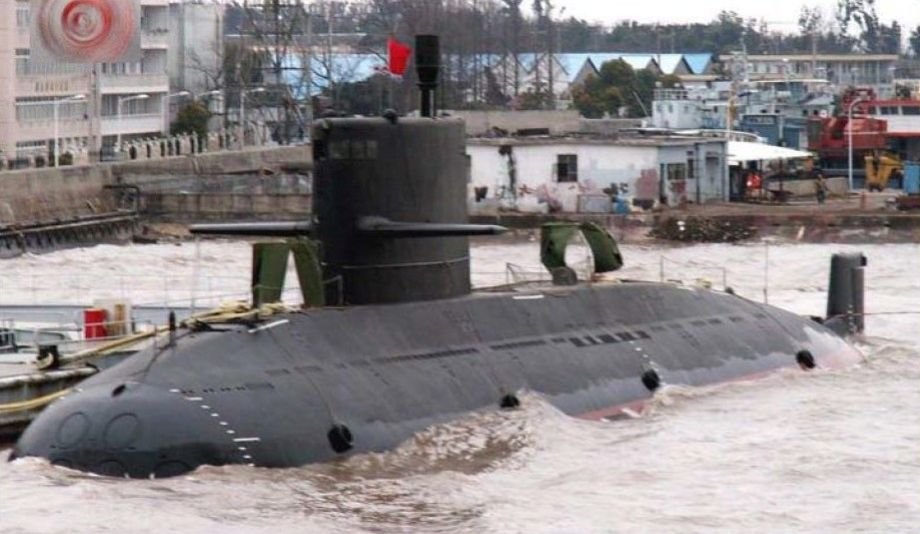
The first vessel, PNS Hangor, was commissioned in China on April 30, 2026, in a ceremony attended by Pakistan’s President Asif Ali Zardari and senior naval officials. The development represents a significant step in the country’s long-term naval modernisation strategy. The submarine is derived from China’s Yuan-class design and incorporates modern underwater combat systems, sensors, torpedo capabilities and air-independent propulsion technology.
One of the important features of the Hangor programme is its ability to operate underwater for extended periods. Air-independent propulsion (AIP) allows conventional submarines to remain submerged longer without regularly surfacing or using a snorkel to recharge their batteries. This capability can improve operational flexibility and make submarine detection more challenging for opposing naval forces.
Despite these advantages, attention has increasingly shifted towards the submarine’s diesel engine. The vessels are associated with China’s CHD620 engine, which has attracted questions because its publicly documented operational history in active submarine fleets remains limited.
The issue is connected to China’s earlier difficulties in securing German-made MTU diesel engines for submarine export programmes. These engines have an established reputation in naval applications, but export restrictions created complications for China’s original equipment plans. The domestically developed CHD620 subsequently emerged as an alternative for the export submarine programme.
Thailand’s submarine acquisition negotiations also encountered difficulties over the proposed replacement of German engines with Chinese-manufactured alternatives. Concerns were raised about the engine’s service history, durability and long-term performance. China has defended its technology through testing and assurances, but the limited publicly available operational record continues to attract scrutiny.
For Pakistan, the importance of this issue extends beyond the engine itself. Submarines are complex military platforms that require consistent maintenance, specialised engineering support and reliable replacement components. Even a technologically advanced submarine can face operational limitations if its propulsion equipment requires frequent servicing or if spare parts are difficult to obtain.
The growing relationship between Pakistan and China is another important aspect of the programme. Beijing is not simply supplying military platforms; it is also becoming a major source of technology, weapons, equipment and technical assistance for Pakistan’s armed forces. This cooperation provides Islamabad with access to capabilities that might otherwise be difficult or expensive to acquire from Western suppliers.
However, depending heavily on a single foreign partner can create long-term challenges involving maintenance arrangements, upgrades and the availability of essential components. Pakistan’s ability to develop independent repair and support infrastructure at Karachi Shipyard will therefore be an important factor in determining the programme’s overall success.
The development also has implications for the wider Indian Ocean region. A fleet of eight modern conventional submarines could strengthen Pakistan’s maritime presence and increase the importance of underwater surveillance and anti-submarine warfare capabilities for neighbouring countries, particularly India.
India continues to develop its own submarine capabilities while investing in maritime surveillance, advanced naval sensors and anti-submarine warfare platforms. The changing submarine environment in the region makes technological readiness, operational training and underwater monitoring increasingly important.
Ultimately, the Hangor-class programme could become a significant component of Pakistan’s future naval strategy. However, its long-term value will depend not only on the submarines’ weapons and advanced features but also on propulsion reliability, maintenance performance and the ability to sustain operations over many years. As the vessels enter service, their actual performance will provide a clearer picture of how successfully Chinese technology can support Pakistan’s expanding underwater ambitions.