The United States has carried out limited military strikes against Iranian targets on Qeshm Island, adding another development to the ongoing confrontation between Washington and Tehran. The operation reportedly took place on November 2, 2026, as diplomatic efforts continued to find a possible solution to the conflict.
According to US officials cited by Reuters and the Associated Press, American forces targeted Iranian positions associated with surface-to-air missile systems that were allegedly being used to threaten US military assets operating near the Strait of Hormuz. A US official described the action as defensive, indicating that the operation was intended to address potential threats rather than begin a broader military campaign.
The strikes were not immediately announced by the Pentagon. Iranian state media subsequently reported explosions on Qeshm Island, as well as nearby Hengam Island and the coastal area around Bandar Abbas. The developments attracted attention because of the strategic importance of the region and its proximity to major international shipping routes.
Qeshm Island is located near the Strait of Hormuz, a vital maritime passage connecting the Persian Gulf with the Gulf of Oman. The waterway handles a substantial share of global oil transportation, making its security important for international energy markets and commercial shipping. Increased military activity in the surrounding area could therefore affect regional stability and maritime operations.
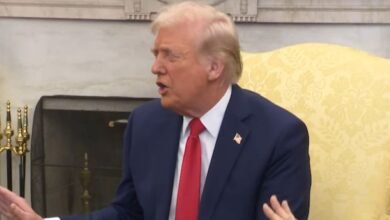
The latest strikes come amid continuing diplomatic contacts between the two countries. US President Donald Trump has indicated that Washington remains interested in reaching an agreement with Tehran. Vice President JD Vance has also expressed optimism about the possibility of a negotiated settlement, suggesting that diplomatic discussions have made some progress.
Qatar has reportedly played an important role in facilitating indirect communication between Washington and Tehran. Its officials have been involved in exchanging proposals and consulting Iranian representatives as efforts continue to reduce hostilities.
However, significant differences remain. Iran has linked progress towards reopening the Strait of Hormuz to discussions over the US naval blockade, economic sanctions and other restrictions. Tehran has also maintained that its security interests must be addressed before a comprehensive agreement can be achieved.
Iranian Parliament Speaker Mohammad Bagher Ghalibaf has reiterated that the country remains prepared to defend itself against further military action. Iranian officials have also maintained that negotiations should address the underlying disagreements rather than rely on military pressure.
The latest operation highlights the difficult balance between military pressure and diplomatic engagement. While Washington has described the strikes as limited and defensive, Tehran continues to oppose American military measures near its territory.
With negotiations still underway and tensions remaining high around the Strait of Hormuz, the coming days could prove important for regional security. Whether diplomatic efforts can prevent further military confrontation remains uncertain.
-
-
-

-