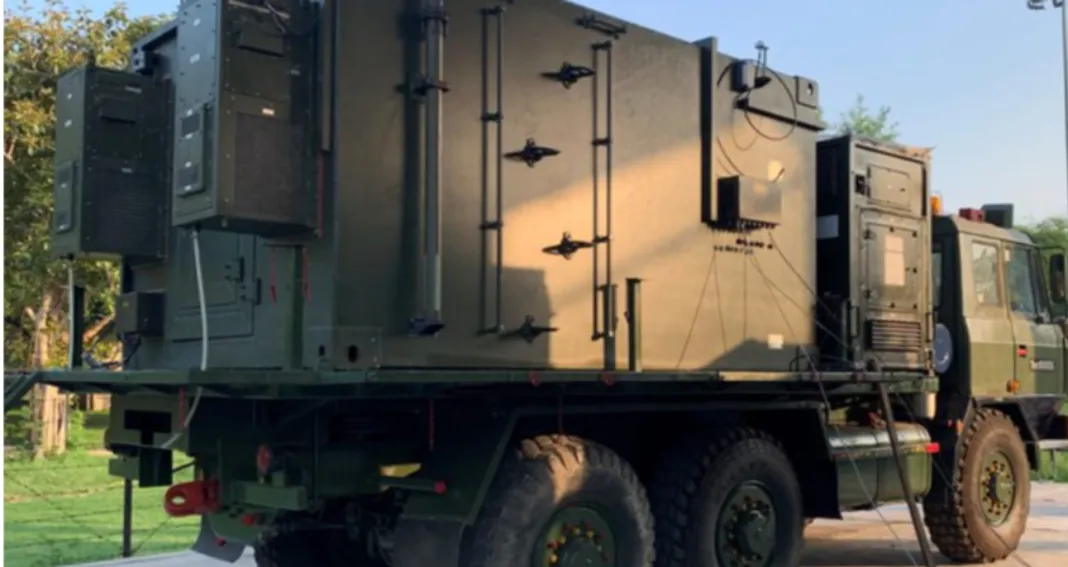
The United Arab Emirates is exploring procurement of India’s indigenously developed Akashteer air defence system to strengthen its layered air defence architecture, according to reports. The move underscores growing regional confidence in Indian defence platforms and their combat-proven reliability.
Akashteer, developed by the Defence Research and Development Organisation, is a medium-range air defence system designed to counter aircraft, helicopters, and unmanned aerial vehicles. The system integrates a mobile radar unit with self-propelled gun platforms capable of engaging airborne targets at multiple altitudes.
The UAE’s interest reflects a strategic diversification beyond its existing American-supplied Patriot and THAAD systems. While those platforms provide long-range air defence coverage, Akashteer offers complementary medium-range capability and operational flexibility in contested electromagnetic environments where imported systems may face integration challenges.
Akashteer entered service with the Indian Army in the mid-2000s and has undergone successive capability upgrades over two decades. The system operates on a tracked chassis, enabling rapid deployment across diverse terrain. Its modular architecture allows independent operation of radar and gun units, enhancing survivability in distributed air defence networks.
The system’s 35mm ammunition is compatible with NATO-standard munitions, a significant operational advantage for allied forces. This interoperability, combined with lower lifecycle costs relative to longer-range systems, positions Akashteer as an attractive mid-tier option for regional air forces managing defence budgets across multiple capability layers.
India has accelerated defence technology exports under its Defence Diplomacy strategy, with particular emphasis on South Asian and Middle Eastern partners. Akashteer export interest aligns with New Delhi’s broader initiative to establish indigenous platforms as credible alternatives to Western and Russian systems in the Gulf region.
The system’s combat validation extends beyond Indian operations. Operational deployments in high-threat environments have generated extensive performance data, making it a reference point for air defence planners evaluating indigenous versus imported solutions. This operational pedigree carries particular weight among Gulf Cooperation Council nations reassessing defence partnerships.
Any formal procurement would require Ministry of Defence approval and compliance with India’s arms export policy framework. Such transactions typically include technology transfer provisions and through-life support arrangements, positioning DRDO as a long-term capability partner for the UAE.
-

-

-

-