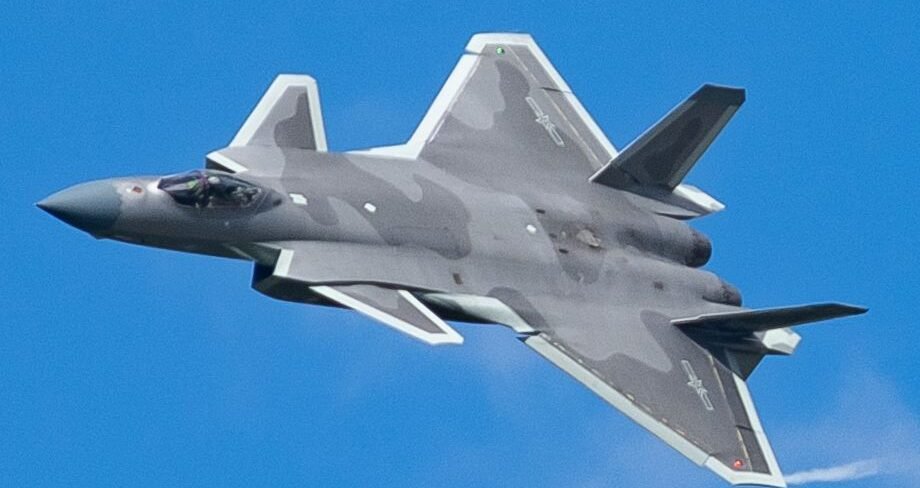
India is balancing technology sovereignty with geopolitical risk as it advances domestic development of a 5th generation stealth fighter, weighing the dual challenge of international sanctions exposure and the strategic imperative to field an indigenous air-dominance platform.
The 5th generation fighter programme sits at the intersection of India’s Make in India initiative and its vulnerability to export controls, particularly from the United States and its allied suppliers of critical components such as advanced avionics, engine systems, and stealth material technologies.
The Advanced Medium Combat Aircraft (AMCA) programme, led by Hindustan Aeronautics Limited (HAL) under DRDO’s aeronautical development establishment (ADE), represents India’s long-term answer to fleet modernisation and air superiority. The single-engine design is intended to operate alongside the Rafale, LCA Tejas, and Su-30MKI across the Indian Air Force inventory.
India’s experience with the Tejas programme illustrates both the promise and peril of indigenous fighter development. The LCA took over three decades to achieve initial operational clearance, partly due to technology denial regimes that restricted access to combat-proven systems and integration data from allied nations. Sanctions and export control lists have historically constrained India’s ability to source critical sub-systems without lengthy approvals or expensive domestic alternatives.
The AMCA programme incorporates lessons from Tejas development, with HAL and DRDO emphasising greater indigenisation of avionics, flight control systems, and composites manufacturing. However, certain subsystems such as engines and advanced radar components remain dependent on foreign suppliers or collaborative development.
Geopolitical headwinds have intensified scrutiny. U.S. export control frameworks, including the International Traffic in Arms Regulations (ITAR) and the Wassenaar Arrangement, restrict transfer of dual-use technologies and stealth-related materials to non-NATO nations. Russia’s ongoing conflict in Ukraine and resulting sanctions have also disrupted supply chains for alternative components historically sourced from Moscow.
India’s strategic autonomy in fighter development directly shapes its medium-term air force architecture. The AMCA is projected to enter service in the 2030s, potentially as a complement to potential foreign acquisition of additional jets and as a demonstrator of domestic 5th generation capability alongside allies like Japan and South Korea.
Defence Ministry officials have stressed that AMCA development will proceed with maximum use of Indian industry and DRDO facilities, reducing foreign dependency. This mirrors India’s broader posture of achieving Atmanirbharta, or self-reliance, in critical defence systems despite technological and financial constraints.
-

-
-

-