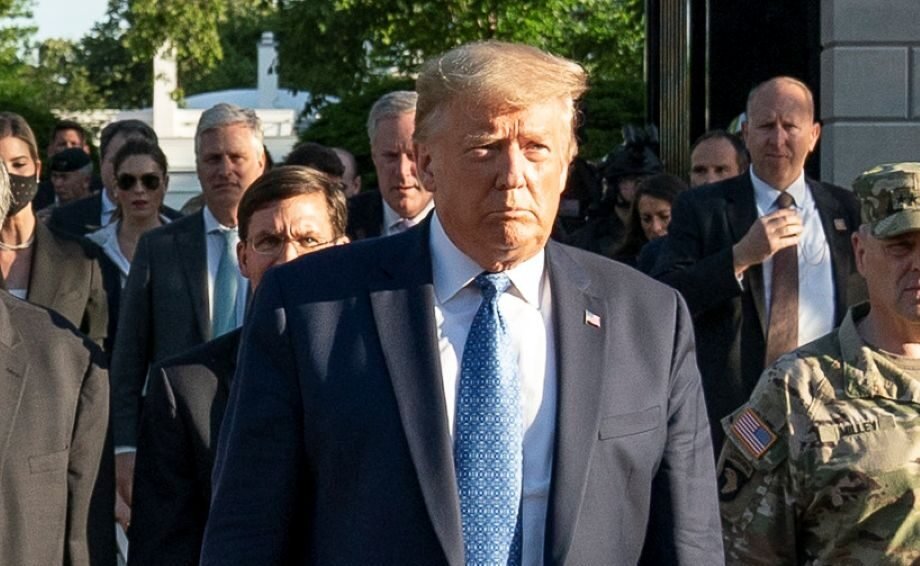
US President Donald Trump has announced that the United States will end its annual military assistance to Israel by the end of 2026, marking a potential shift in the longstanding defence relationship between the two countries. Speaking during an interview with Fox News on November 3, Trump said Israel no longer needed approximately $4 billion in annual American support and could independently finance its defence requirements.
Trump said he had reached an understanding with Israeli Prime Minister Benjamin Netanyahu several months earlier to discontinue the assistance. He also indicated that the decision would not end American arms sales to Israel, allowing the country to continue purchasing US-made military equipment and weapons through commercial arrangements.
The announcement comes despite an existing 10-year US-Israel security assistance agreement signed in 2016, under which Washington committed approximately $38 billion over the period through September 2028. The arrangement provides around $3.3 billion annually in Foreign Military Financing and another $500 million for joint missile defence programmes. Trump’s proposed timeline therefore raises questions about how the existing funding commitments would be modified or discontinued before the agreement expires.
The decision also comes amid increasing political debate in the United States over military assistance to Israel, particularly following the Gaza conflict and growing regional tensions. Trump acknowledged that American financial support had become a political issue, with some Democratic candidates criticising the scale of assistance provided to Israel. He specifically referred to Michigan politician Abdul El-Sayed, who has opposed unconditional US military aid to the country.
The announcement has also raised concerns among Israeli opposition leaders. Former military chief Gadi Eisenkot criticised the lack of communication surrounding the reported change in the strategic relationship, while opposition leader Yair Golan warned that ending American assistance could create additional pressure on Israel’s security and economic position.
Despite the proposed funding withdrawal, continued American arms sales could preserve an important part of bilateral defence cooperation. Israel relies on US military technology, including F-35 fighter aircraft, precision-guided weapons and advanced missile defence systems. However, the future of joint defence programmes and the financial arrangements supporting them remains uncertain.
The announcement signals a possible restructuring of US-Israel defence cooperation, although its implementation will depend on further discussions and decisions involving the US administration and Congress. The existing agreement remains scheduled to run through 2028, making the proposed early termination a significant issue for both governments.
-
-

-
-