US President Donald Trump has indicated that a diplomatic agreement with Iran could be reached, raising the possibility of ending the prolonged conflict between Washington and Tehran. However, continuing military operations and disagreements over key security issues have left the negotiations uncertain as the United States prepares for its November 3 midterm elections.
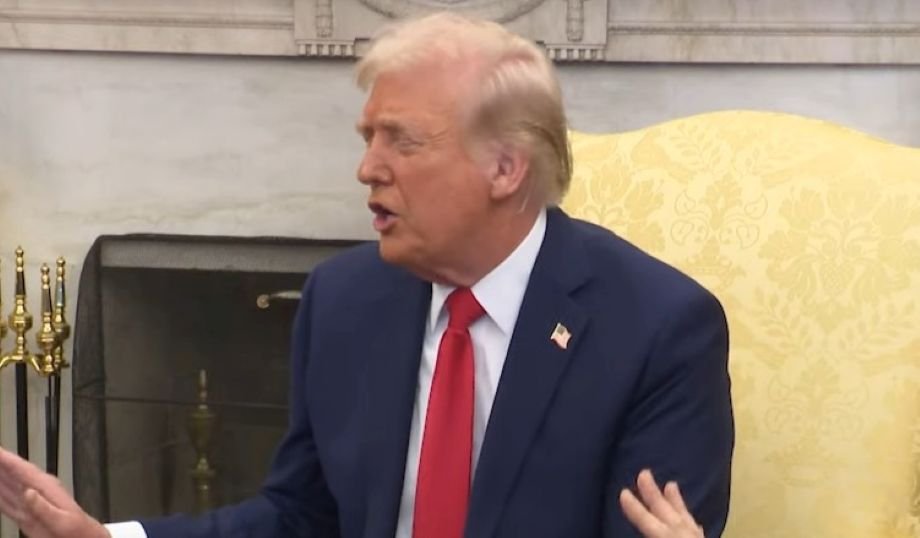
On November 2, Trump suggested that Tehran was interested in reaching an agreement quickly and expressed optimism about the prospects of a settlement. Speaking to reporters in Washington, he also responded negatively when asked whether he was considering renewed attacks against Iran after the midterm elections. His remarks marked a shift from earlier warnings that Washington could resume large-scale military operations if diplomatic efforts failed.
Trump’s comments followed several days of indirect negotiations involving Iranian representatives and Qatari mediators in Doha. US Vice President JD Vance also expressed optimism, saying that discussions with Iranian representatives had been constructive and that the administration would continue pursuing a negotiated solution. However, Trump maintained that preventing Iran from acquiring nuclear weapons remained Washington’s central condition for any agreement.
Despite these diplomatic signals, the military situation remains tense. The United States carried out strikes against Iranian targets near the strategically important Strait of Hormuz on November 2. According to a US official, the operation targeted Iranian forces using surface-to-air missile systems against American assets in the region. Explosions were reported on Qeshm and Hengam islands, as well as near Bandar Abbas.
Iran’s Islamic Revolutionary Guard Corps separately claimed that it had shot down an American MQ-9 drone near the Strait of Hormuz. The developments have raised concerns about further confrontation despite ongoing diplomatic contacts between the two countries.
The Strait of Hormuz remains one of the central issues in negotiations. This narrow maritime passage connects the Persian Gulf with the Gulf of Oman and handles a substantial share of international oil shipments. Iran has proposed reopening the waterway under specific conditions, including the removal of the American naval blockade targeting its ports. Tehran is also seeking relief from oil sanctions and a broader ceasefire arrangement.
Iranian officials have indicated that discussions over the country’s nuclear programme could resume after an understanding is reached on maritime access and other initial demands. Washington, however, wants verifiable assurances that Tehran will not rebuild its nuclear weapons capability. These competing conditions continue to complicate efforts to establish a comprehensive agreement.
The diplomatic situation remained uncertain on November 3, with a senior Iranian official telling Reuters that Washington and Tehran were still far from reaching a final settlement. Qatari mediators have continued efforts to narrow differences between the two sides, while Iran’s parliamentary leadership has warned that further American military action could trigger a strong response.
The conflict also carries wider economic implications, particularly for international energy markets and countries dependent on Gulf oil supplies. For India, prolonged instability around the Strait of Hormuz could affect crude oil imports, maritime transportation costs and regional energy security.
Although Trump’s latest remarks have opened the door to further diplomatic engagement, the reported military strikes demonstrate that tensions have not subsided. The coming days will be important in determining whether Washington and Tehran can make progress towards a ceasefire or move towards another phase of military confrontation in the Middle East.
-
-

-
-