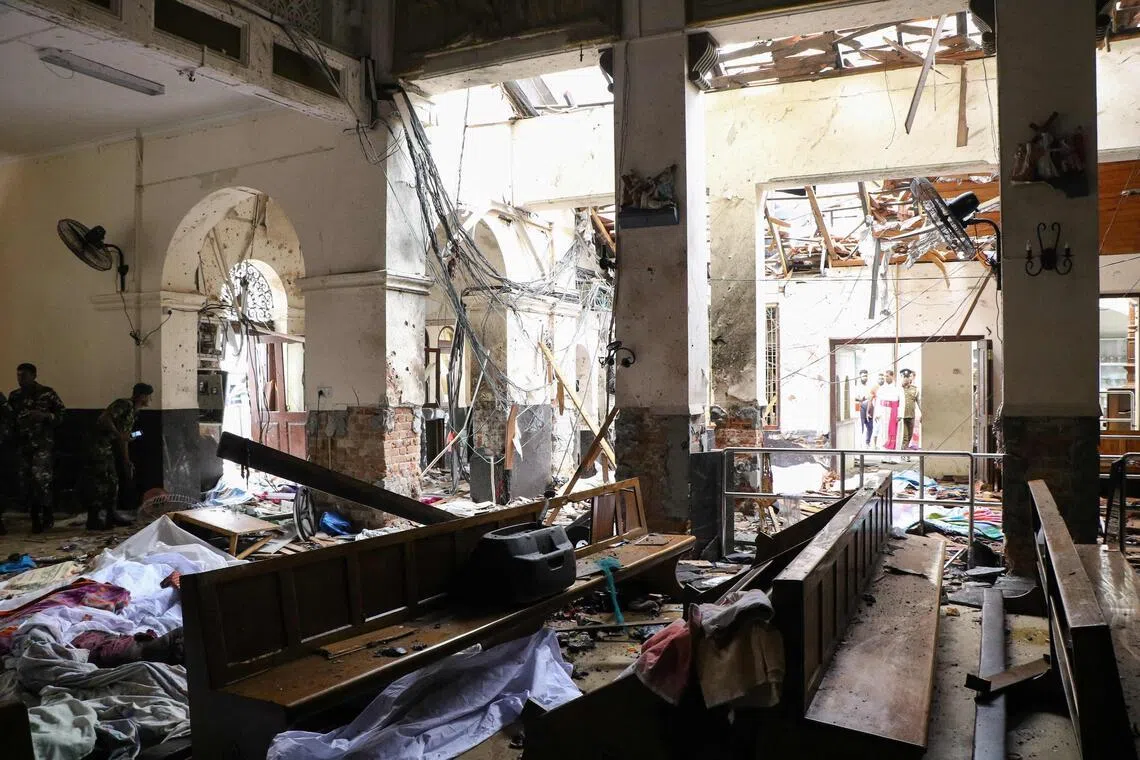
Sri Lanka’s authorities have identified the former spy chief as having directed the 2019 Easter Sunday bombings that killed 279 people, marking a significant development in the investigation into one of South Asia’s deadliest terror attacks.
The Easter bombings of April 21, 2019, struck three churches and four hotels across Colombo and other cities, claiming nearly 300 lives and injuring over 500. The National Thowheeth Jama’ath, a local extremist group with alleged links to ISIS, was initially blamed for the coordinated suicide attacks.
The identification of intelligence agency involvement in the attack represents a major shift in the investigation’s trajectory. Prior to the bombings, Sri Lankan intelligence had received specific warnings about the planned attacks but failed to act on the intelligence or share it adequately with law enforcement agencies, a failure that became the subject of intense scrutiny in the aftermath.
India, as Sri Lanka’s closest strategic neighbour, has maintained keen interest in the security dynamics of the island nation. The 2019 bombings exposed critical gaps in Sri Lanka’s internal security apparatus and led to a broader reassessment of threat intelligence and inter-agency coordination across South Asian counterterrorism operations.
The involvement of intelligence leadership in directing rather than preventing the attack raises questions about potential complicity, rivalry between agencies, or security lapses at the highest institutional level. Such developments have implications for India’s own internal security frameworks and regional counterterrorism cooperation mechanisms.
Sri Lanka’s investigation has faced multiple phases, with various officials suspended or arrested. The country’s security establishment has undergone significant restructuring since 2019 to prevent similar intelligence failures. India has supported Sri Lankan security modernisation through training exchanges and capacity-building initiatives under bilateral defence cooperation agreements.
The identification and any legal proceedings against the former spy chief will likely influence Sri Lanka’s broader institutional accountability measures and strengthen India’s case for deepening joint intelligence-sharing protocols in South Asia. Regional security partnerships often depend on institutional transparency and demonstrated commitment to preventing cross-border or internal terror operations.
-

-

-

-