
Seventh GE Engine for Tejas Mk-1A Clears Quality Checks; Sixth Unit Snag Resolved
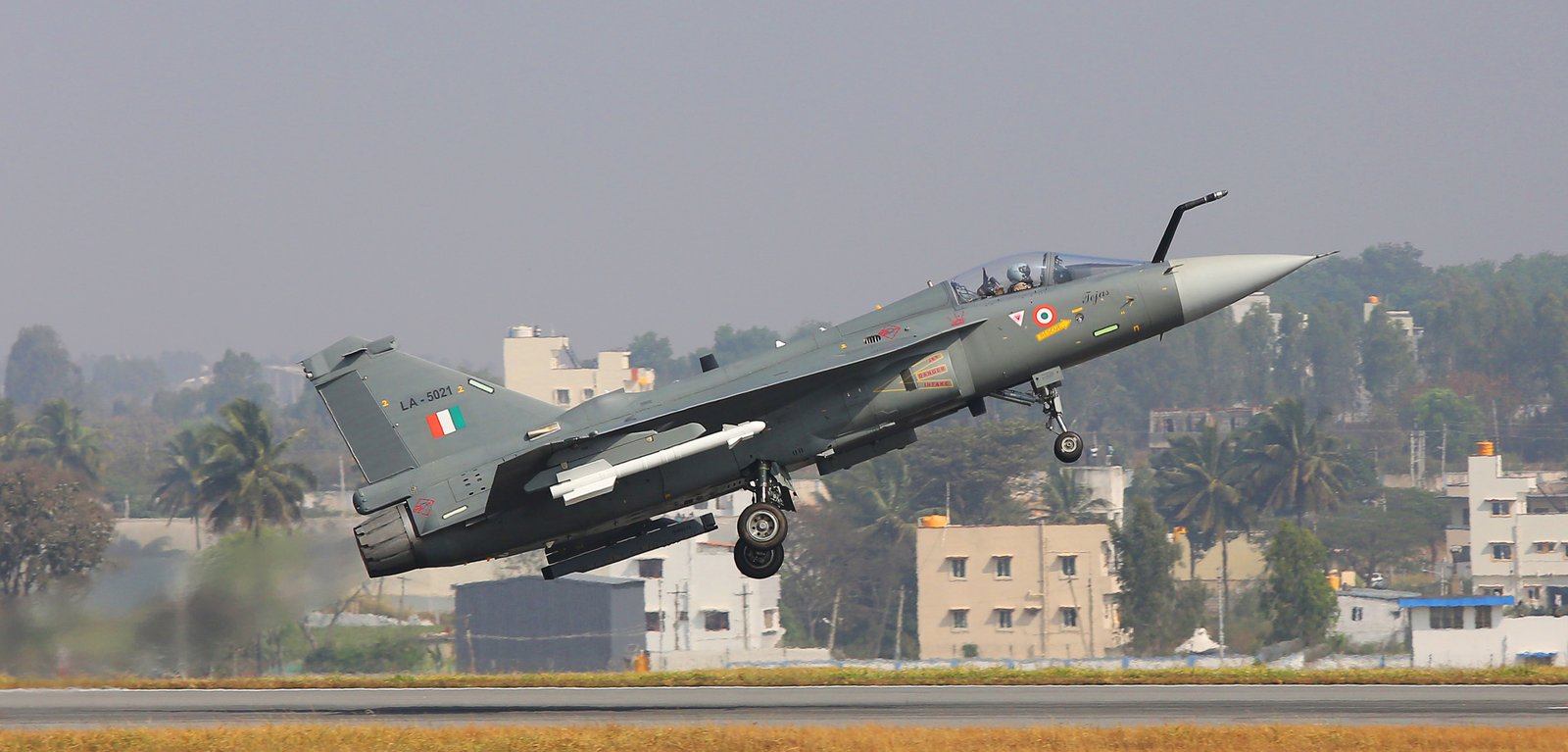
HAL has received the seventh General Electric F404 turbofan engine for the Tejas Mk-1A fighter aircraft after it cleared quality assurance checks. The swift resolution of a snag detected in the sixth engine unit demonstrates the robustness of the supply chain and quality control protocols governing the fighter’s serial production phase.
The arrival of each engine represents a critical milestone in the Tejas Mk-1A programme. The aircraft relies on the F404-GE-F2J3 variant, a proven powerplant that delivers approximately 16,000 pounds of thrust in dry mode and 27,000 pounds with afterburner. This engine was selected after extensive trials with earlier Tejas variants and remains central to the fighter’s performance envelope.
The Tejas Mk-1A is the operational variant of India’s Light Combat Aircraft, incorporating incremental improvements over the earlier technology demonstrator and initial operational clearance versions. These enhancements span avionics integration, sensor fusion architecture, air-to-air refuelling probe, and increased internal fuel capacity. The Mk-1A represents HAL’s response to operational feedback from the Indian Air Force and reflects the maturation of the indigenous design.
Engine supply has historically been a constraint in the Tejas programme. The Ministry of Defence contracted with General Electric for a dedicated batch of F404 engines to support the initial production orders. Each engine arrives in India for integration into the airframe at HAL’s Bangalore facility. Quality checks at the point of receipt are mandatory, given the engine’s criticality to flight safety and operational reliability.

The Indian Air Force has placed orders for Tejas Mk-1A aircraft in tranches, with the first squadron operationalised and additional aircraft in various stages of assembly and ground testing. Serial production has gradually scaled, and the rate of engine receipts is now matching the assembly schedule. The sixth engine’s snag, while requiring correction, did not disrupt the overall programme timeline, reflecting confidence in both HAL’s assembly protocols and GE’s quality assurance at source.
The Tejas Mk-1A occupies a specific niche in India’s fighter fleet, complementing the heavier Su-30MKI for point defence, training, and homeland air security roles. As India pursues its Medium Combat Aircraft and future fighter projects, the Mk-1A programme also serves as an operational testbed for systems integration and airworthiness practices that will inform next-generation development.


Facebook Comments