
Pakistan Seeks $10 Billion US Currency Support After Iran Mediation Role
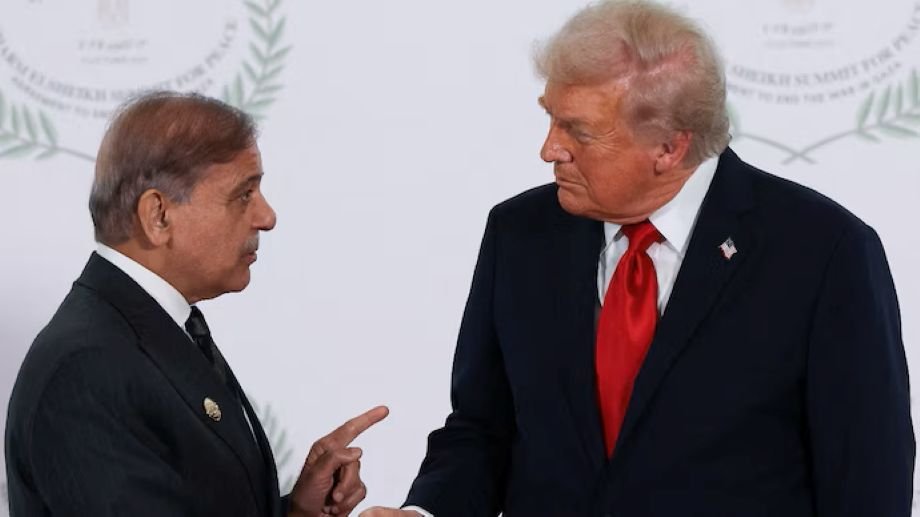
Pakistan is seeking a $10 billion currency support facility from the United States, reportedly as recognition for its diplomatic intervention in de-escalating tensions between the US and Iran.
The request reflects Islamabad’s efforts to secure financial backing at a time when its foreign exchange reserves face pressure. Pakistan has historically relied on IMF bailout programmes and bilateral support from friendly nations to stabilise its currency and shore up external accounts.
The currency support facility, if approved, would provide Pakistan with direct access to US dollars without the stringent conditionalities typically attached to IMF Stand-By Arrangements. Such facilities are usually structured as swap lines or liquidity support, allowing central banks to manage currency volatility and meet short-term external obligations.
Pakistan’s mediation role between Washington and Tehran underscores Islamabad’s continuing attempt to leverage its geographic position and diplomatic channels in the Middle East. The country sits at the intersection of Middle Eastern geopolitics and South Asian security dynamics, a position that has historically offered negotiating leverage with major powers.

From India’s strategic perspective, developments in Pakistan’s economic stability and external partnerships carry implications for regional stability. Pakistan’s fiscal health and access to foreign reserves affect its defence spending capacity and, by extension, military modernisation programmes that India monitors closely.
The US has previously extended currency support facilities to strategic partners, though such arrangements are typically reserved for nations with significant bilateral defence or geopolitical interests. Any such facility to Pakistan would reflect Washington’s assessment of Islamabad’s value in Middle Eastern diplomacy and broader Indo-Pacific strategy.
Pakistan’s external account vulnerabilities have persisted over successive governments. The country has drawn multiple tranches from IMF programmes in the past decade, each accompanied by fiscal austerity measures that constrain domestic spending and investment in infrastructure and defence sectors.

Facebook Comments