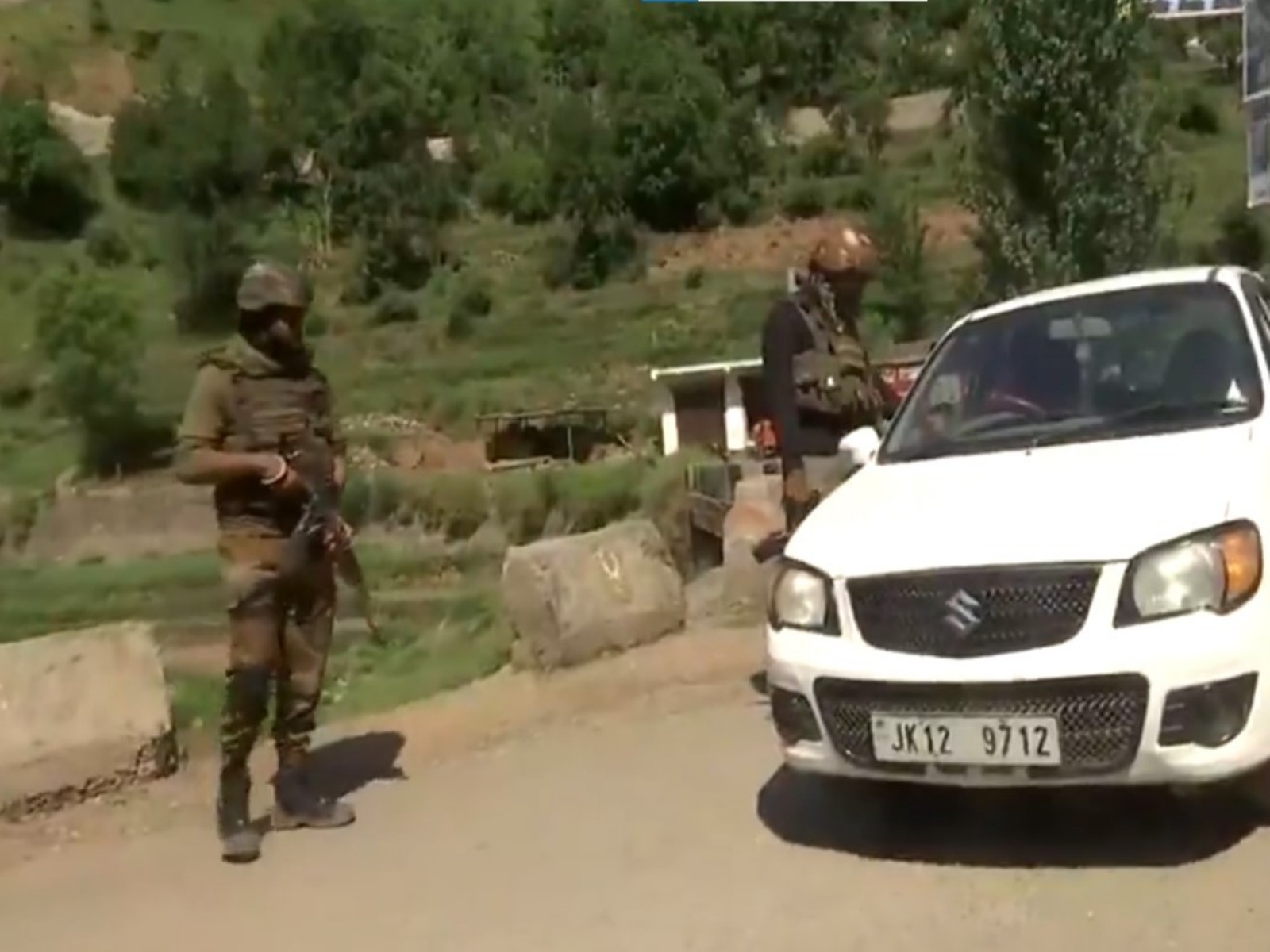
Operation Sherawali, a major counter-terrorism search and cordon operation in Rajouri district, Jammu and Kashmir, has entered its 32nd day with security forces continuing intensive ground and aerial operations to locate militant hideouts in the region, according to officials.
The operation, launched by the Jammu and Kashmir Police in coordination with the Indian Army and paramilitary forces, is focused on flushing out terrorist elements operating in the dense forested terrain of Rajouri. The district, located in the Poonch-Rajouri sector of the Jammu region, has historically been a hotbed of cross-border infiltration and militant activity.
Rajouri’s strategic geography makes counter-insurgency operations particularly challenging. The district sits along the Line of Control and is characterized by steep mountainous terrain interspersed with thick forest cover, which provides natural concealment for militant groups. This terrain necessitates prolonged, methodical operations by ground forces supported by aerial surveillance and intelligence gathering.
Such extended operations in the region have become routine components of India’s internal security posture in Jammu and Kashmir. The Army’s Counter-Insurgency (CI) doctrine emphasizes sustained presence, area domination, and intelligence-led operations rather than short-duration strikes. The involvement of multiple agencies in Operation Sherawali reflects this integrated approach, combining the police’s local intelligence networks, the Army’s tactical firepower, and paramilitary units’ specialized training in counter-terrorism.
The Poonch-Rajouri sector has seen repeated cycles of militant infiltration and security operations over the past two decades. The terrain’s proximity to the LoC and established infiltration routes make it a priority area for security forces. Operations in this region typically involve troops from the Northern Command, which oversees Jammu and Kashmir operations.
Extended operations of this nature test the endurance and logistics capabilities of deployed forces. Soldiers operate in challenging weather conditions and difficult topography, often for weeks at a time. Supply lines, medical facilities, and rotation schedules are critical to sustaining such operations.
The continuation of Operation Sherawali into its fourth week underscores the persistence required to dismantle terrorist infrastructure in J&K. The operation’s duration reflects both the tactical difficulty of locating militants in forested terrain and the security establishment’s commitment to systematic area clearance, a long-term strategy aimed at degrading militant capability in the region.
-

-
-

-