
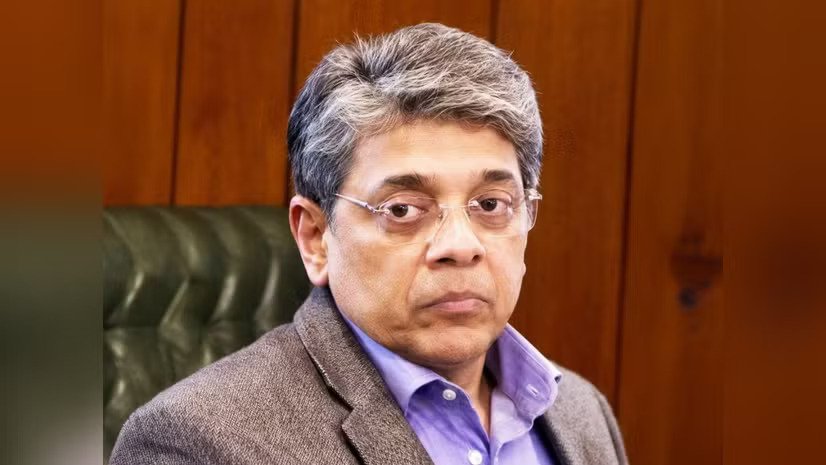
Mahesh Dixit, a 1993-batch Indian Police Service (IPS) officer from the Telangana cadre, has been appointed as the new Director of the Intelligence Bureau (IB), marking a key leadership transition at India’s premier domestic intelligence agency.
With decades of experience in policing and internal security, Dixit assumes charge at a time when India continues to face evolving security challenges, including terrorism, cross-border infiltration, cyber threats, and espionage. The Intelligence Bureau, operating under the Ministry of Home Affairs, plays a central role in safeguarding the country’s internal security and providing critical intelligence to the government.
As IB Director, Dixit will oversee intelligence gathering, counter-terrorism operations, counter-intelligence activities, and strategic threat assessments. The agency works closely with central and state security organisations to detect and prevent threats that could impact national stability and public safety.
The Intelligence Bureau also maintains close coordination with agencies such as the Research and Analysis Wing (R&AW), the Central Bureau of Investigation (CBI), military intelligence, and state police forces. Intelligence generated by the IB supports security planning for the Indian Armed Forces and contributes to decision-making on national defence and homeland security.


In addition to countering hostile intelligence operations and monitoring extremist networks, the IB is responsible for security vetting related to strategic government projects, critical infrastructure, and sensitive defence establishments. Its assessments help strengthen India’s preparedness against both conventional and emerging security risks.
Dixit’s appointment reflects the government’s continued emphasis on experienced leadership in the intelligence community. His tenure is expected to focus on enhancing intelligence coordination, strengthening counter-terrorism capabilities, and improving responses to increasingly sophisticated cyber and hybrid security threats.




Facebook Comments