
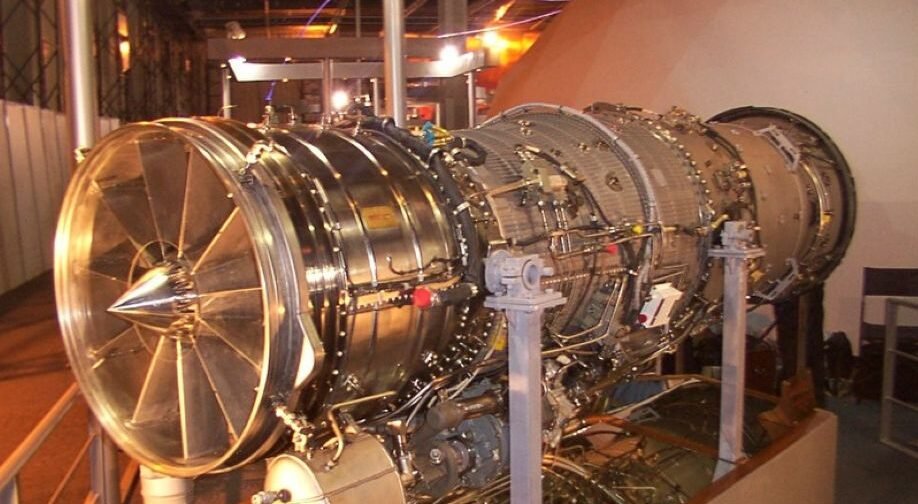
India’s indigenous jet engine programme has entered a new phase as the Defence Research and Development Organisation (DRDO) focuses on developing the upgraded Kaveri 2.0 engine for future advanced combat aircraft. Rather than powering the Tejas Light Combat Aircraft (LCA), the enhanced engine is now being positioned as a potential powerplant for India’s next-generation fighter platforms.
The original Kaveri engine was intended to serve as the indigenous engine for the Tejas programme. However, after years of development, it was unable to meet the Indian Air Force’s operational requirements in terms of thrust, reliability, and endurance. Consequently, production variants of the Tejas adopted the General Electric F404 engine.
Despite that setback, DRDO has continued refining the Kaveri programme. The Kaveri 2.0 initiative incorporates improvements aimed at delivering greater thrust, better fuel efficiency, enhanced thermal management, and improved overall performance. The programme reflects India’s long-term commitment to developing a domestically designed and manufactured fighter jet engine.
The upgraded engine is expected to support India’s ambitions for an indigenous fifth-generation combat aircraft, including future Advanced Medium Combat Aircraft (AMCA)-class platforms. A successful indigenous engine would significantly reduce dependence on imported propulsion systems while strengthening the country’s aerospace manufacturing capabilities under the Make in India and Aatmanirbhar Bharat initiatives.

Developing a modern fighter engine remains one of the most complex engineering challenges in the aerospace sector. It requires expertise in advanced metallurgy, high-temperature materials, precision manufacturing, and sophisticated turbine and combustion technologies. Countries with mature jet engine industries have spent decades building these capabilities.
Over the years, the Kaveri programme has also benefited from technical cooperation with international partners, helping Indian engineers refine critical technologies and gain valuable experience. These efforts have laid the foundation for the current generation of engine development.
If Kaveri 2.0 achieves its performance goals, it could become a major milestone for India’s defence aviation sector. An indigenous engine would provide greater strategic autonomy, reduce exposure to foreign supply restrictions, simplify long-term maintenance, and support future combat aircraft programmes with a domestically controlled propulsion solution.
While significant technical challenges remain, the success of Kaveri 2.0 would mark a major step toward India’s goal of building a fully indigenous fifth-generation fighter powered by a homegrown engine, reinforcing the nation’s long-term self-reliance in defence technology.


Facebook Comments